
Complementary elements
Strapping tables
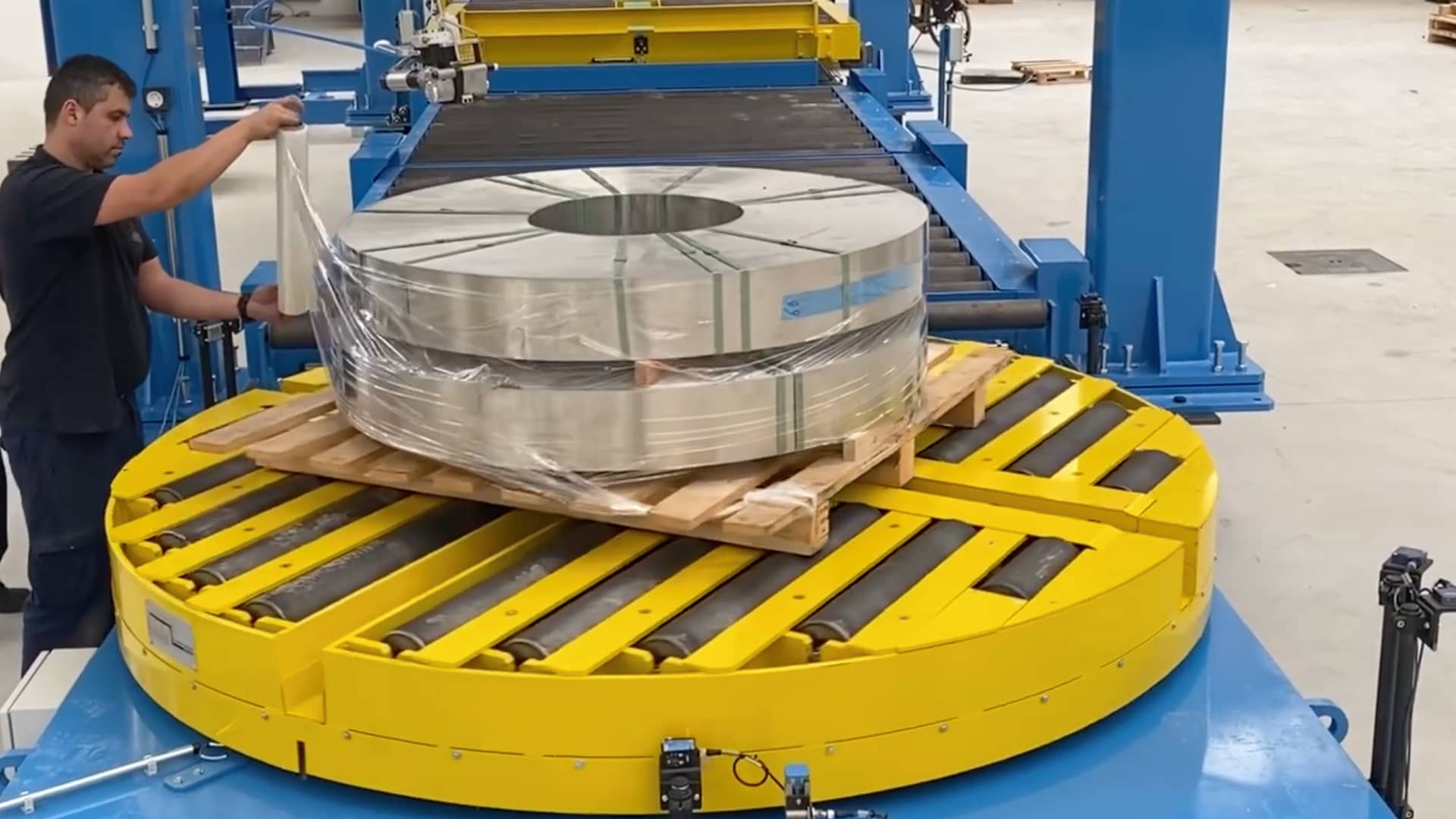
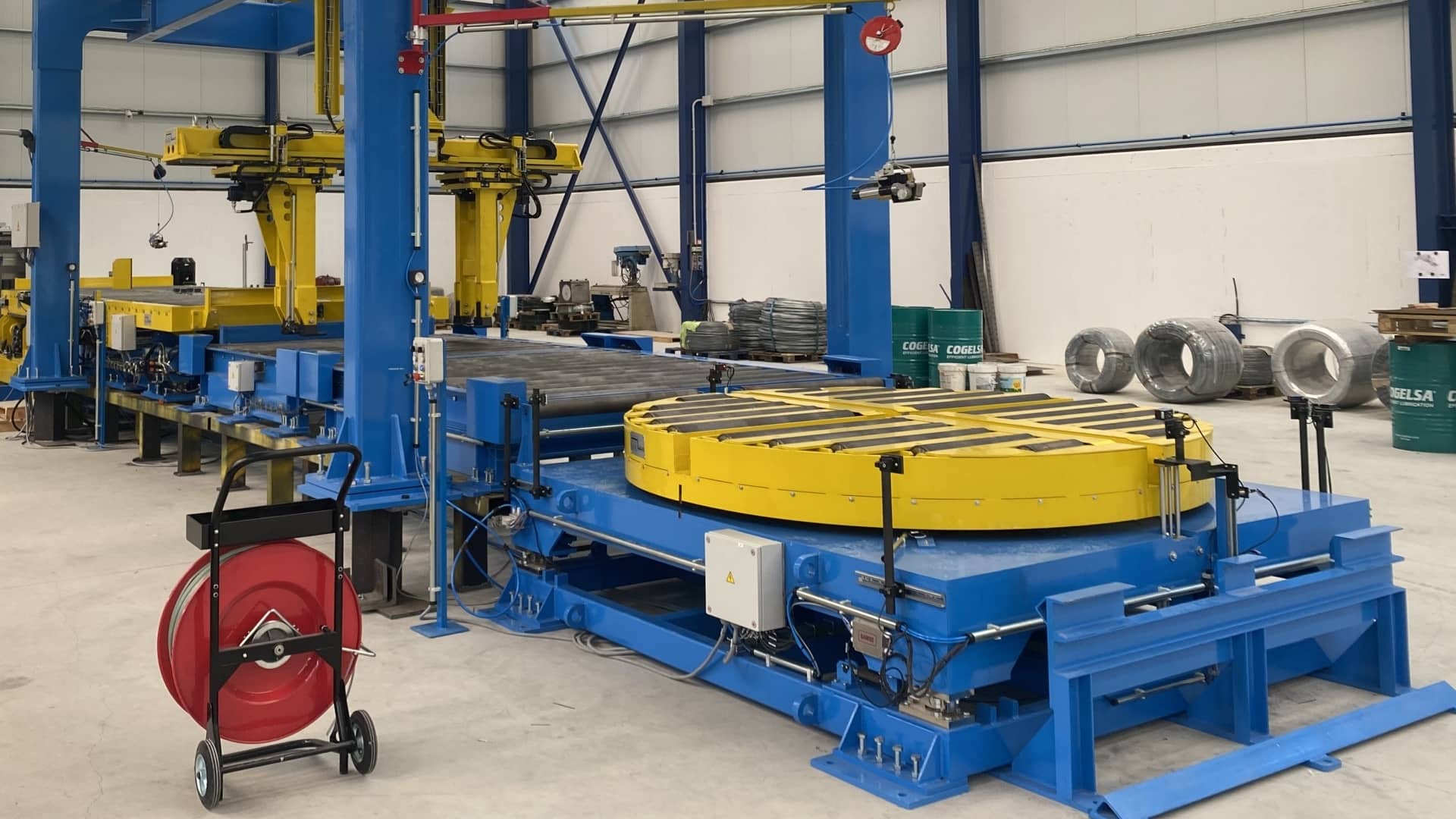
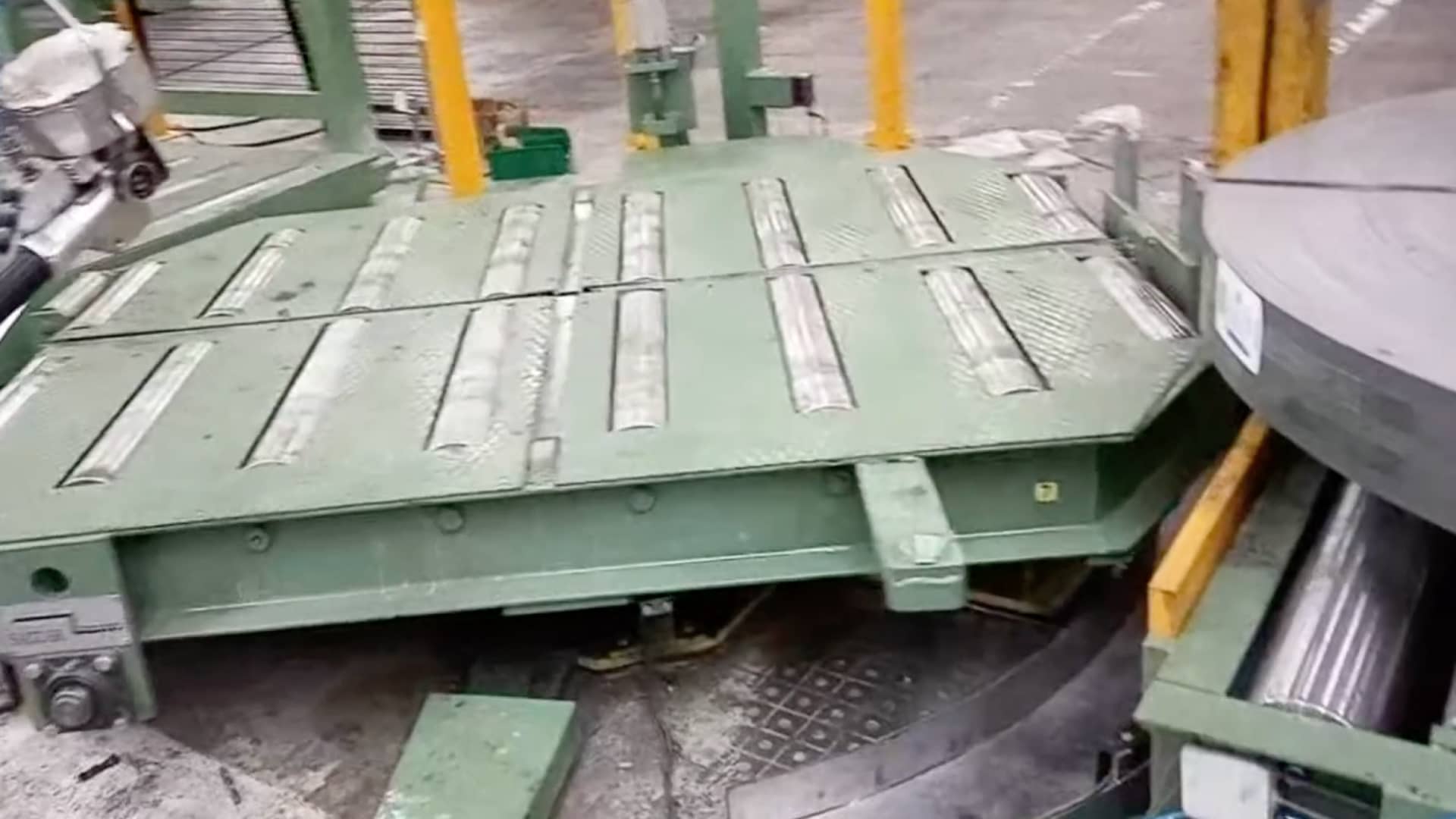
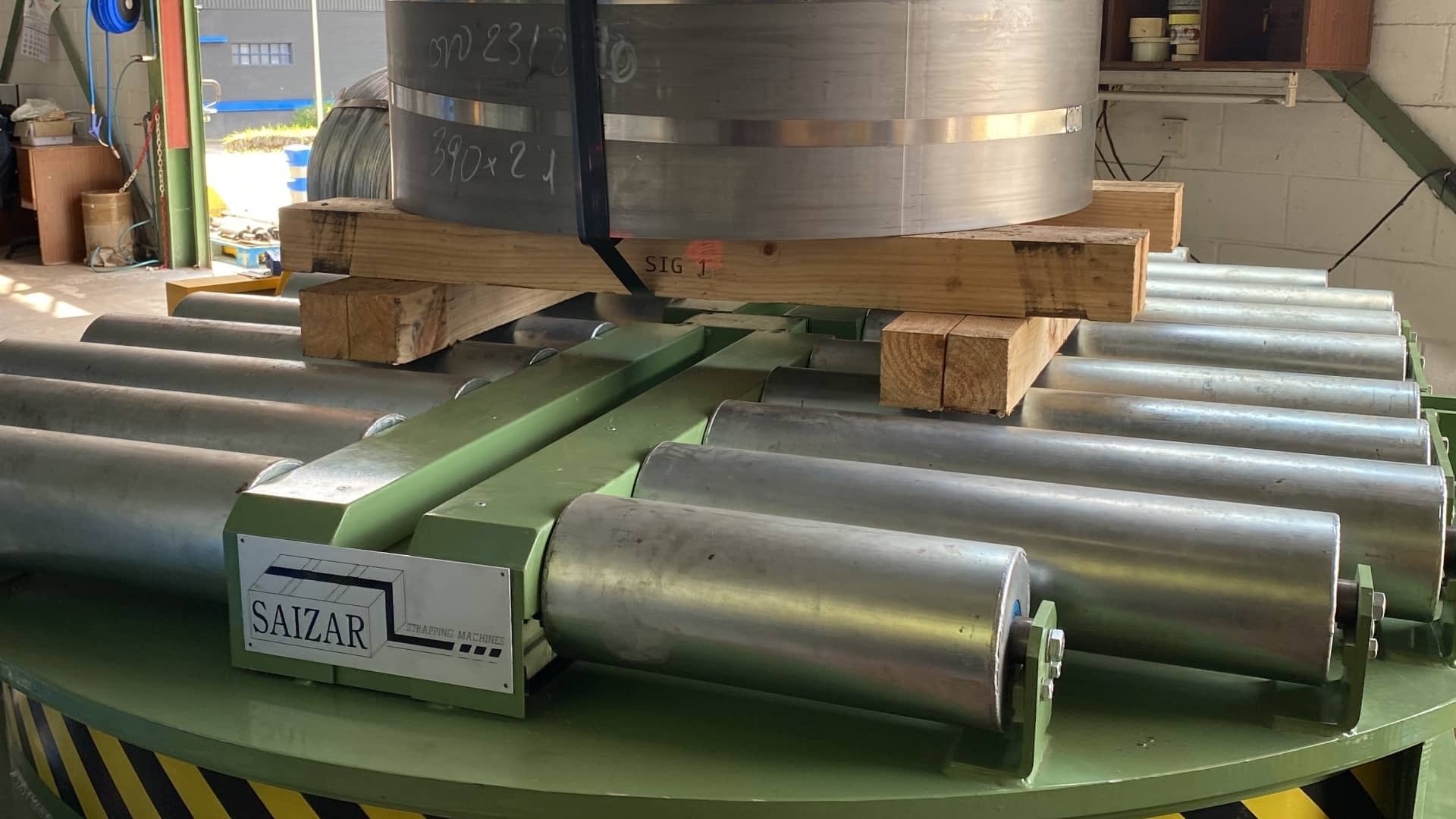
At SAIZAR, we design strapping tables with rotating systems for applications where you need to strap the same product in different positions. This type of solution is particularly used in applications such as sheet metal coils, wire coils, and sheet metal packages, where the correct positioning of the material is key to performing the strapping with stability and repeatability.
The strapping table is one of the auxiliary components used in strapping and packaging; it is integrated into the production line to transport the material, position it for processing, and facilitate the passage of the strap, in both manual and automatic strapping applications.
Cómo diseñamos nuestras mesas de flejado
Each strapping table is custom-designed based on the product, the number of strapping stations, the available space, and the overall layout of the line. The system’s base is adapted to the type of material being handled and the way the product enters and exits the station.
Transporting the material to the strapping position
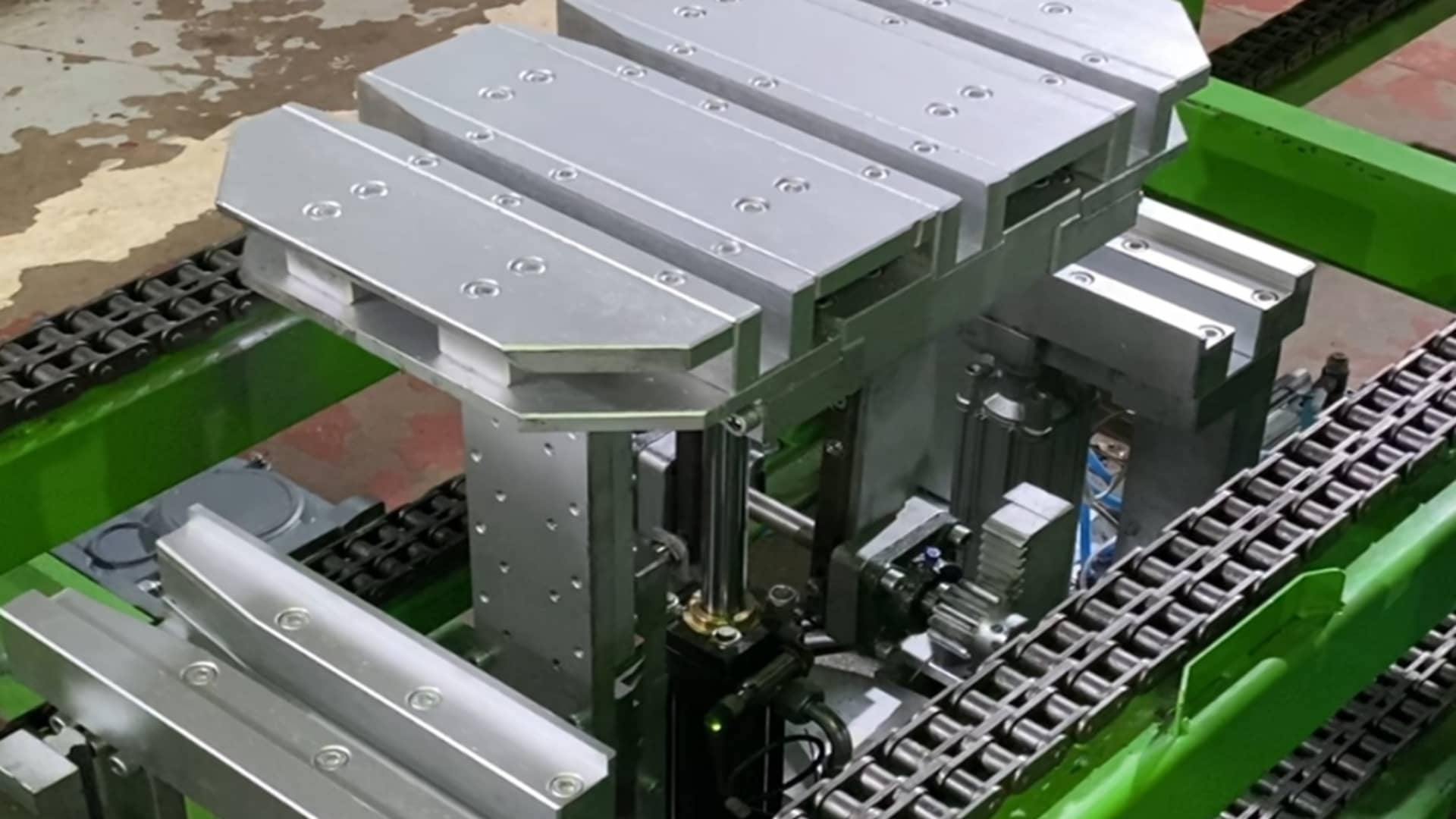
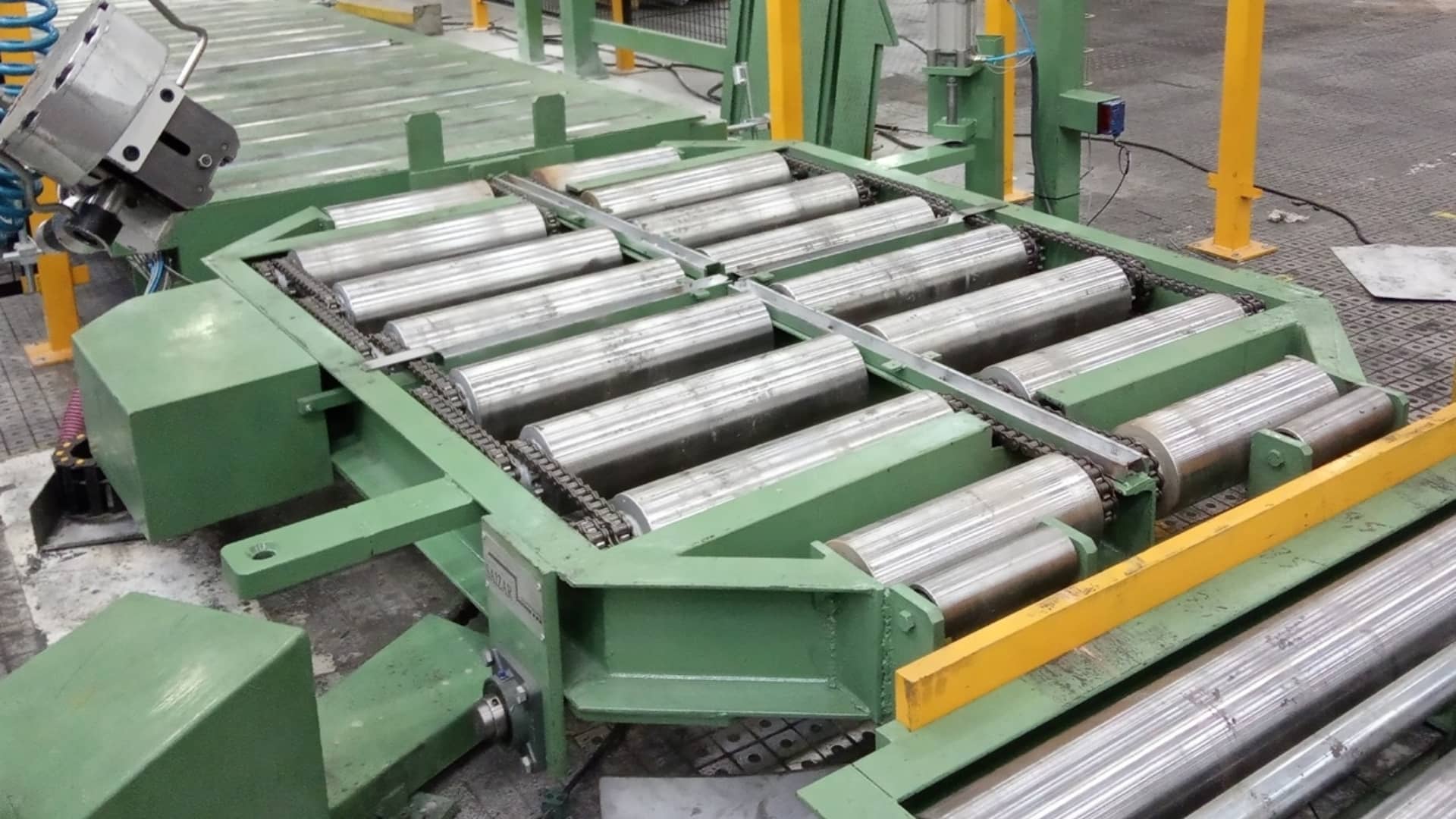
Our strapping tables can be equipped with chains or rollers, depending on the application, to move the material to the strapping position. In addition, they typically operate in sync with the entrance and exit conveyors to ensure that the product moves smoothly and steadily through the line.
Controlled rotation and precise positioning
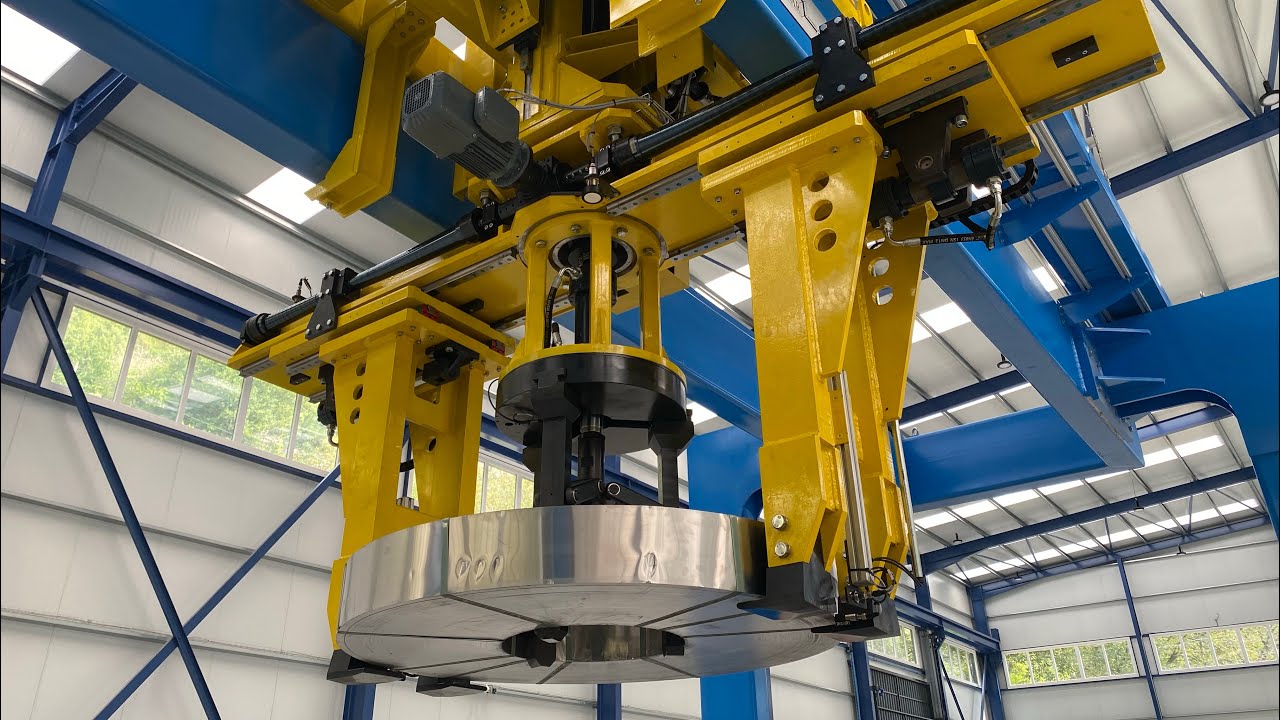
When the customer needs to strap in various positions, the table incorporates a rotation system driven by an electric gear motor or a hydraulic motor. The different stopping points are controlled by a variable-speed drive and an encoder, allowing the product to be positioned precisely before each strapping cycle.
Strap Centering, Lifting, and Guidance
Depending on the application, we can integrate external and internal centering systems into the table, as well as lifting systems, to streamline the strapping process. We also incorporate strap guides at each position to ensure a smoother and more reliable strap path, whether the setup is manual or automatic.
Standard features of our strapping tables:
- Displacement system using chains or rollers, depending on the application.
- Synchronization with infeed and outfeed conveyors.
- Option to include external and internal product centering.
- Integration of lifting systems to facilitate the strapping process.
- Strap guides at each work station.
- Rotation driven by an electric gear motor or hydraulic motor.
Typical Applications
Rotating strapping tables are particularly well-suited when the product requires more than one orientation or more than one strapping position within the same process. In SAIZAR’s solutions, the rotating system is also used to perform both longitudinal and transverse strapping on the same package, positioning the material in its various working positions.
This is a very useful solution for coil lines, long packages, and products that require controlled handling before each strapping point. Additionally, the final table design depends on the dimensions, the weight of the material, and the available floor space.
SAIZAR strapping tables with rotating systems


On-site Benefits
Integrating a strapping table with a turning system into your production line allows you to work with a better-positioned product and a much more organized strapping process. By combining transport, centering, turning, and strap guidance into a single station, you reduce intermediate operations and facilitate process repeatability.
Common benefits of this solution:
- Allows strapping in different positions on the same product.
- Improves material positioning before each strapping cycle.
- Facilitates integration with the rest of the production line thanks to synchronization with conveyors.
- Provides a customized solution based on weight, dimensions, and available space.
Contact our technical department for a customised solution
What we need to prepare a proposal for you
To determine the right strapping table, we need to know the type of product, its dimensions, its weight, and the different stopping positions required. It is also important to understand how the material arrives at the station and how it should be discharged once the process is complete, since the strapping table typically operates in sync with the rest of the conveyors on the line.
Standard information required to prepare a quote:
- Product to be strapped and type of application.
- Minimum and maximum dimensions of the material.
- Weight of the product to be handled.
- Number of strapping positions required.
- Type of inbound and outbound transport at the station.
- Available space for integrating the table into the production line.
Frequently asked questions
What exactly is a strapping table with a rotating system?
It is a station designed to transport the material to the strapping position and rotate it in a controlled manner when you need to strap in different positions.
On what products is it typically used?
It is used primarily in applications such as sheet metal coils and wire coils for radial strapping, and on sheet metal packages for transverse and longitudinal strapping.
Does the strapping table always use chains?
No, it can use chains, rollers, or even both, depending on the application and the type of product.
Can it be synchronized with the rest of the line?
Yes, these tables are typically synchronized with the infeed and outfeed conveyors.
Can both manual and automatic strapping be used?
Yes, the strap guides can be configured for both manual and automatic strapping applications.
What additional systems can be incorporated into the strapping table?
It can incorporate external and internal product centering, product lifting, and strap guides at each position.
How is the table’s rotation controlled?
Rotation can be driven by an electric gear motor or a hydraulic motor, with stops controlled by a variable drive and an encoder.
When does it make sense to install a rotating strapping table?
When you need to strap products in different positions or combine strapping orientations on the same product.