Complementary elements
Feeding systems for strapping and packaging consumables
What do these systems solve in an automatic line
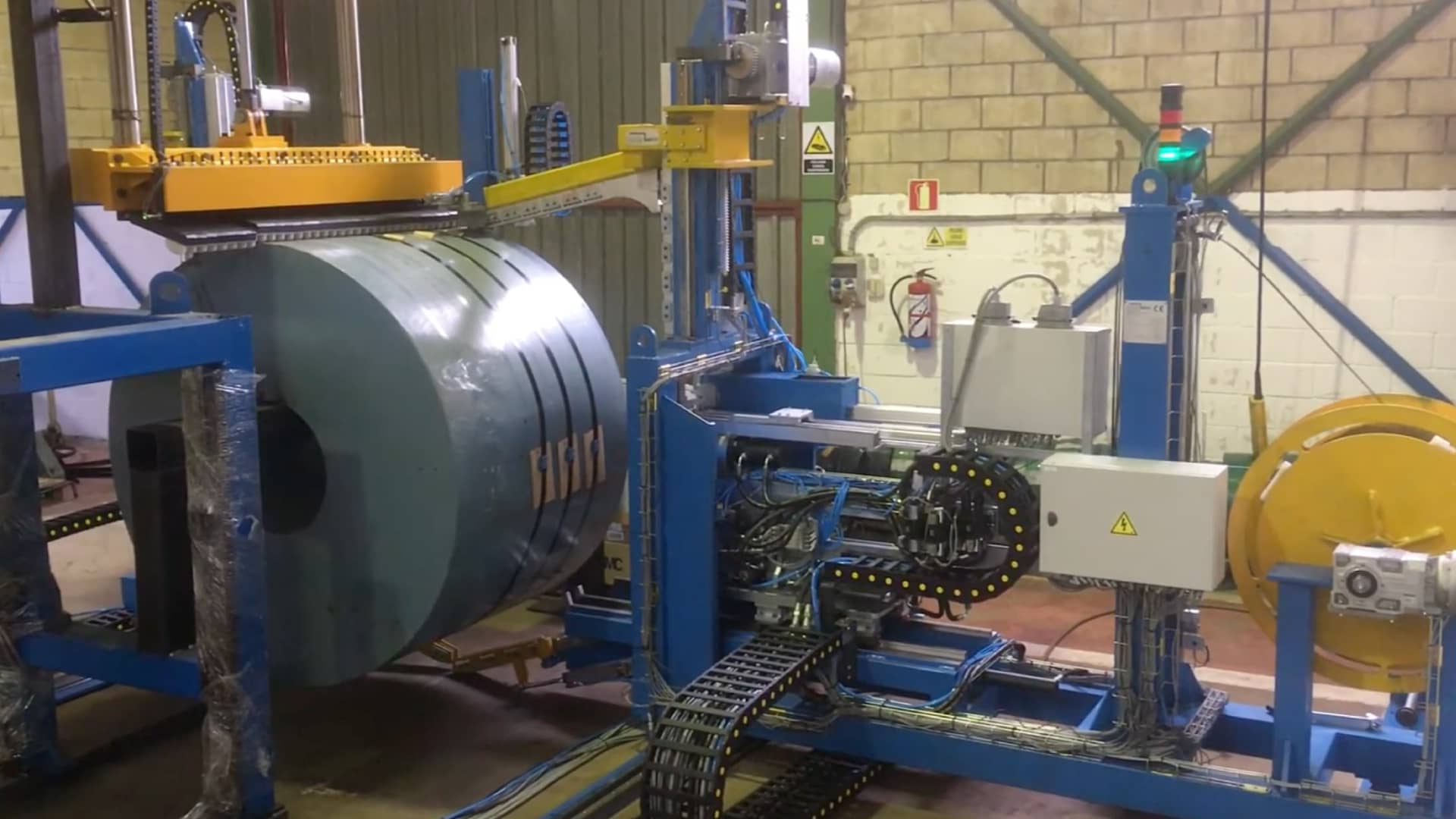
At SAIZAR, we integrate consumables feeding systems into our automatic strapping machines and packaging lines so that product protection, product preparation and the strapping process itself form part of a single, automated and synchronised process. Within this range, we work with materials such as cardboard, protectors, rings and wooden blocks, among others, as complementary equipment for strapping and packaging.
These systems are ideal when you need to protect the material from contact with the strap, prepare the product for handling or removal, or improve the storage and stability of the package without adding manual off line operations. In our solutions, these equipments are designed to adapt to the product, the strapping position and the rest of the production line.
Introduction of cardboard or protectors
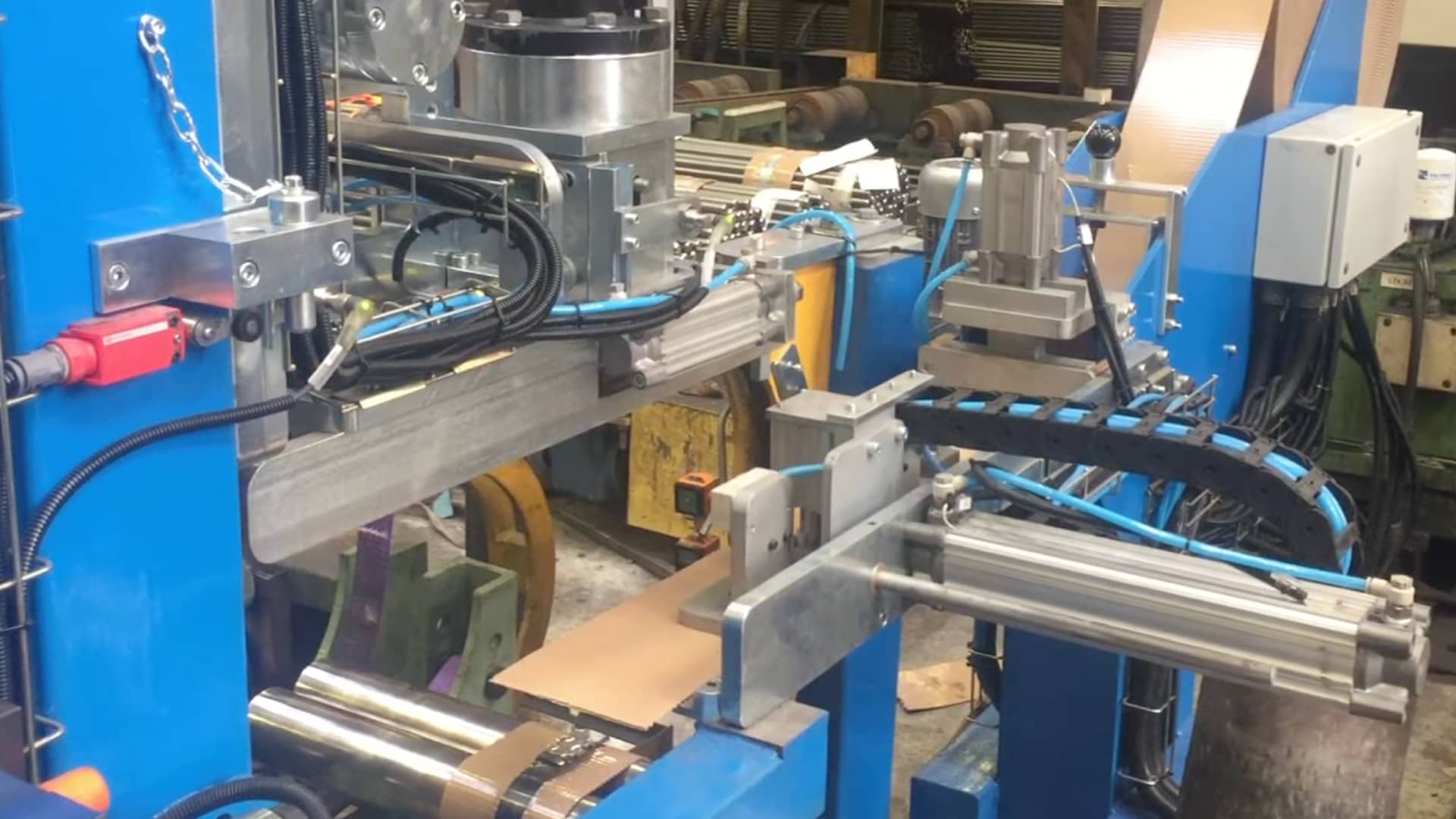
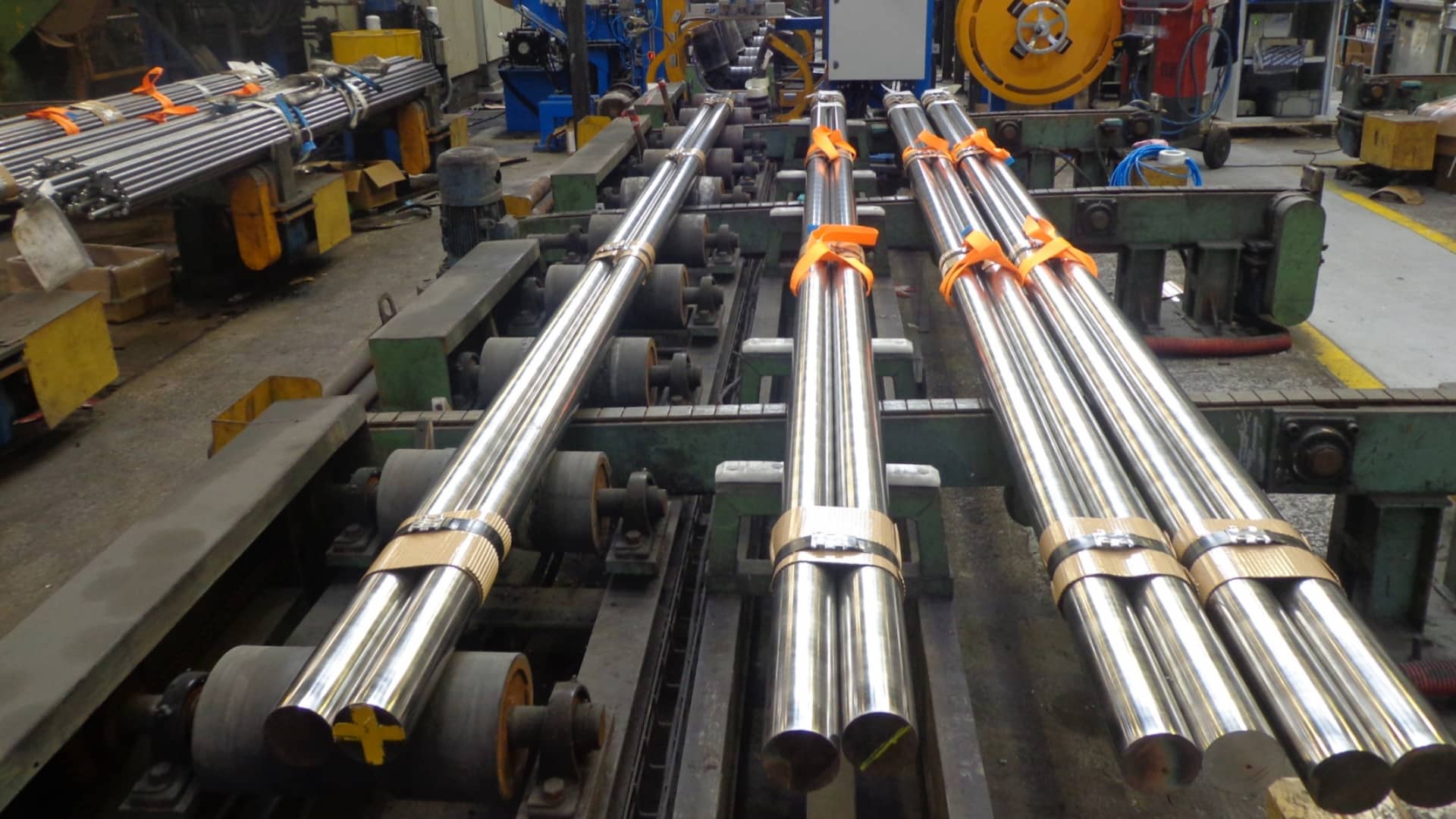
Our cardboard or protective sleeve feeding system is designed to wrap around the material to be strapped and cover the entire perimeter of the strapping position before the cycle begins. Its main function is to protect the product from direct contact with the steel strap, which is particularly useful when the product’s surface finish or integrity is critical.
We can automatically insert cardboard protectors before the strapping process and adapt the system to the dimensions, type and quality of the protective material you require. Furthermore, depending on the application, we can also work with corner protector solutions, placing them on the edges of the product, at each strapping position or even along the entire length of the product. All of this is integrated into the same automatic strapping and protection process.
Introduction of rings
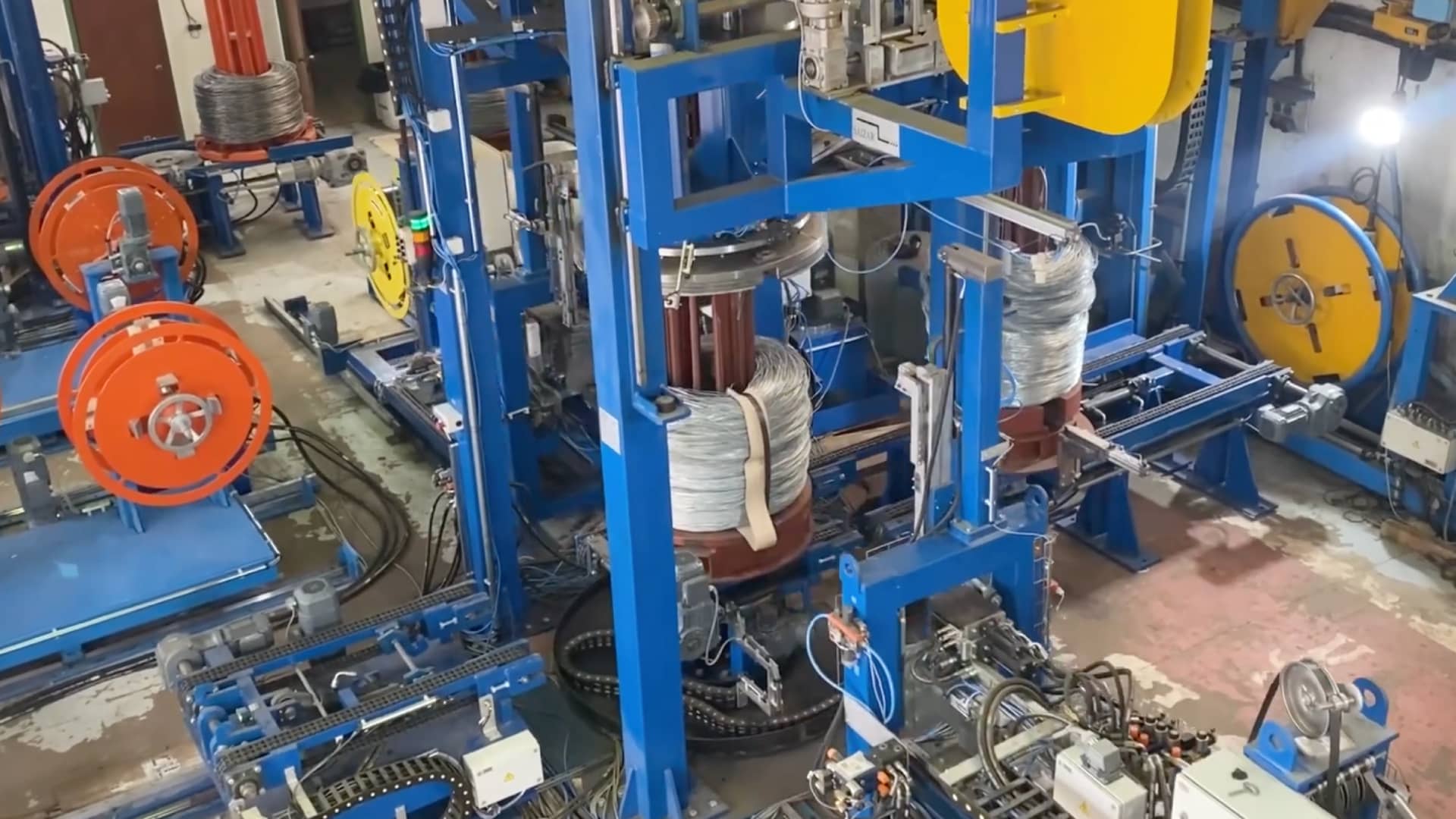
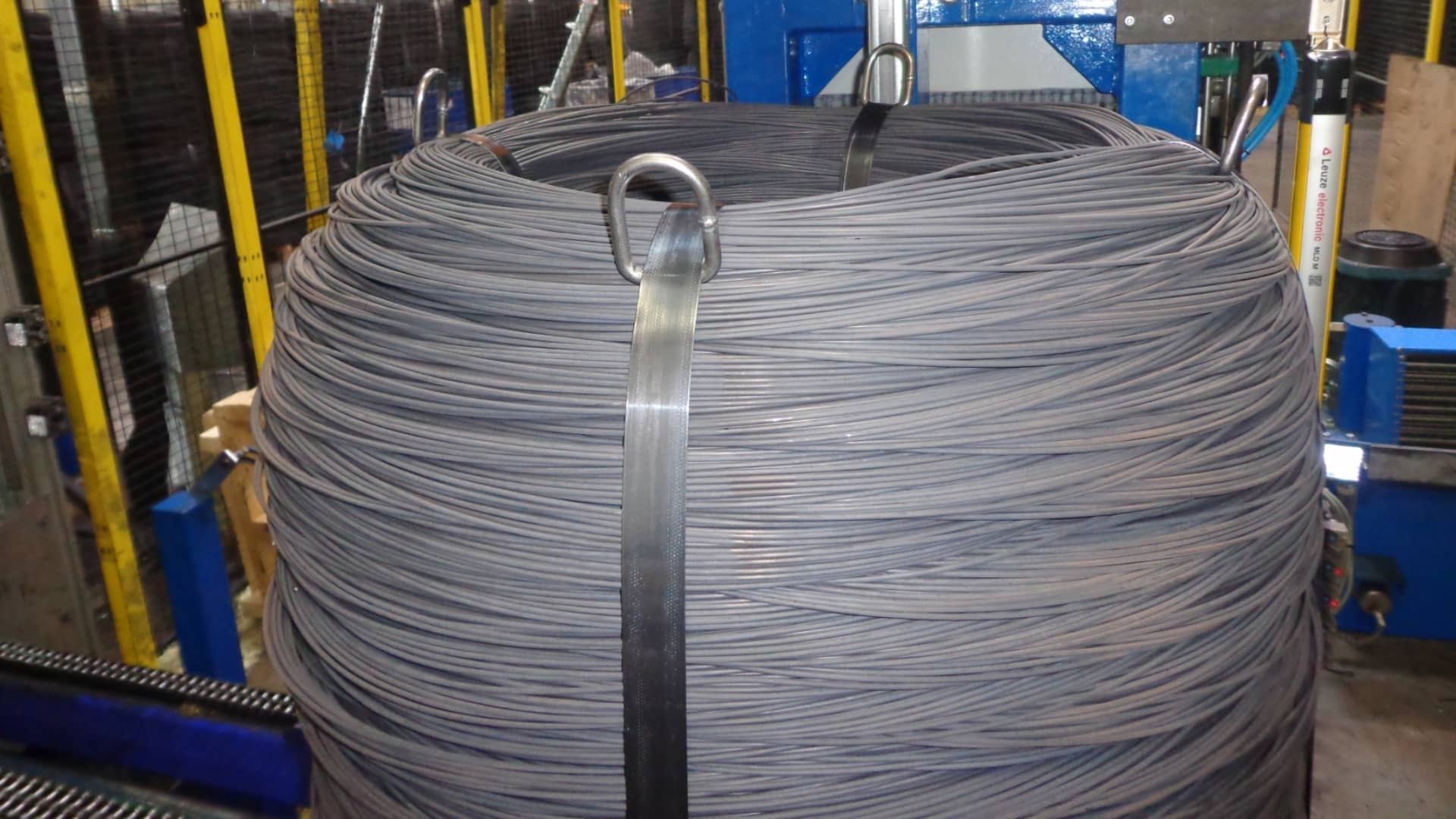
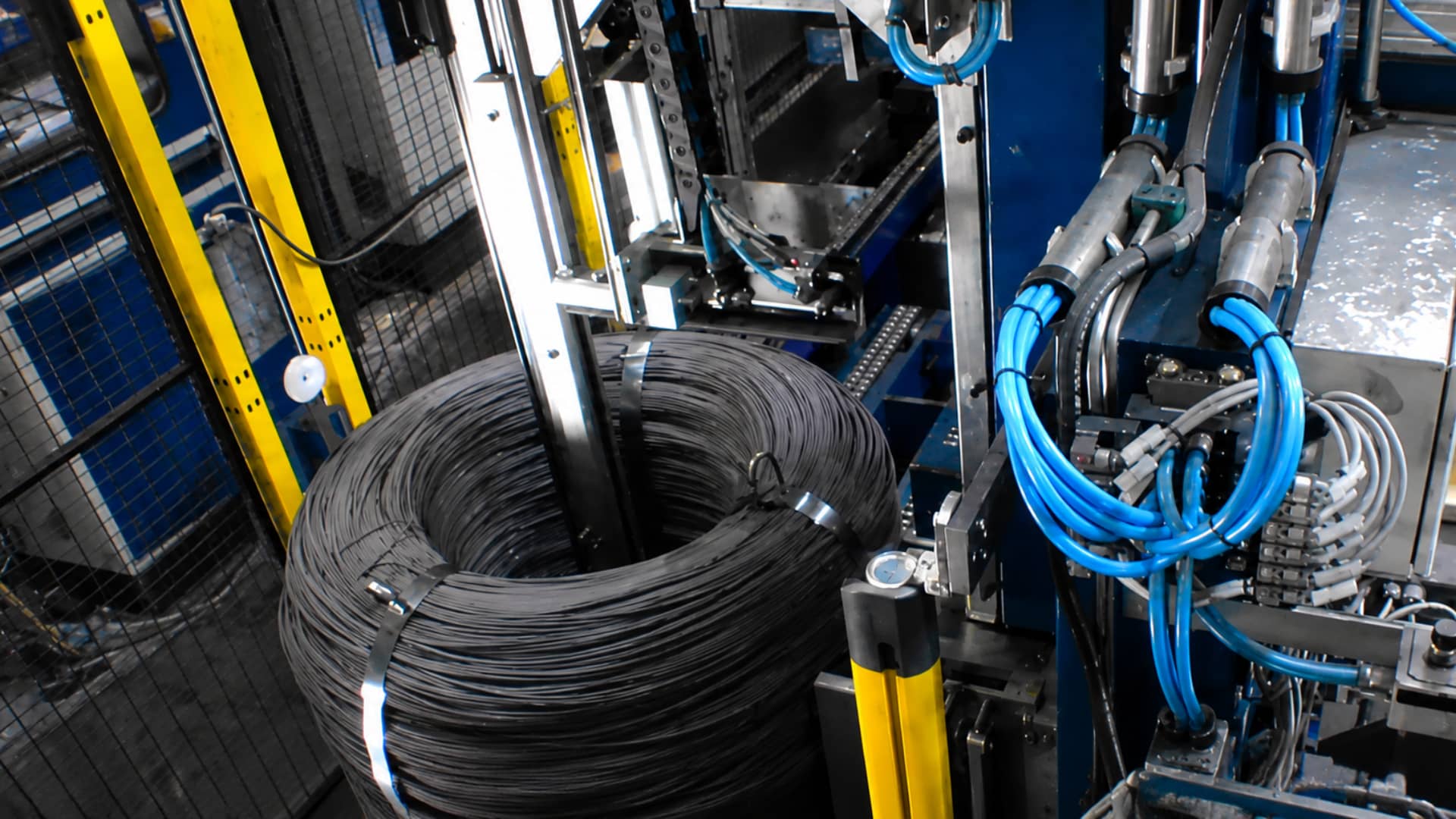
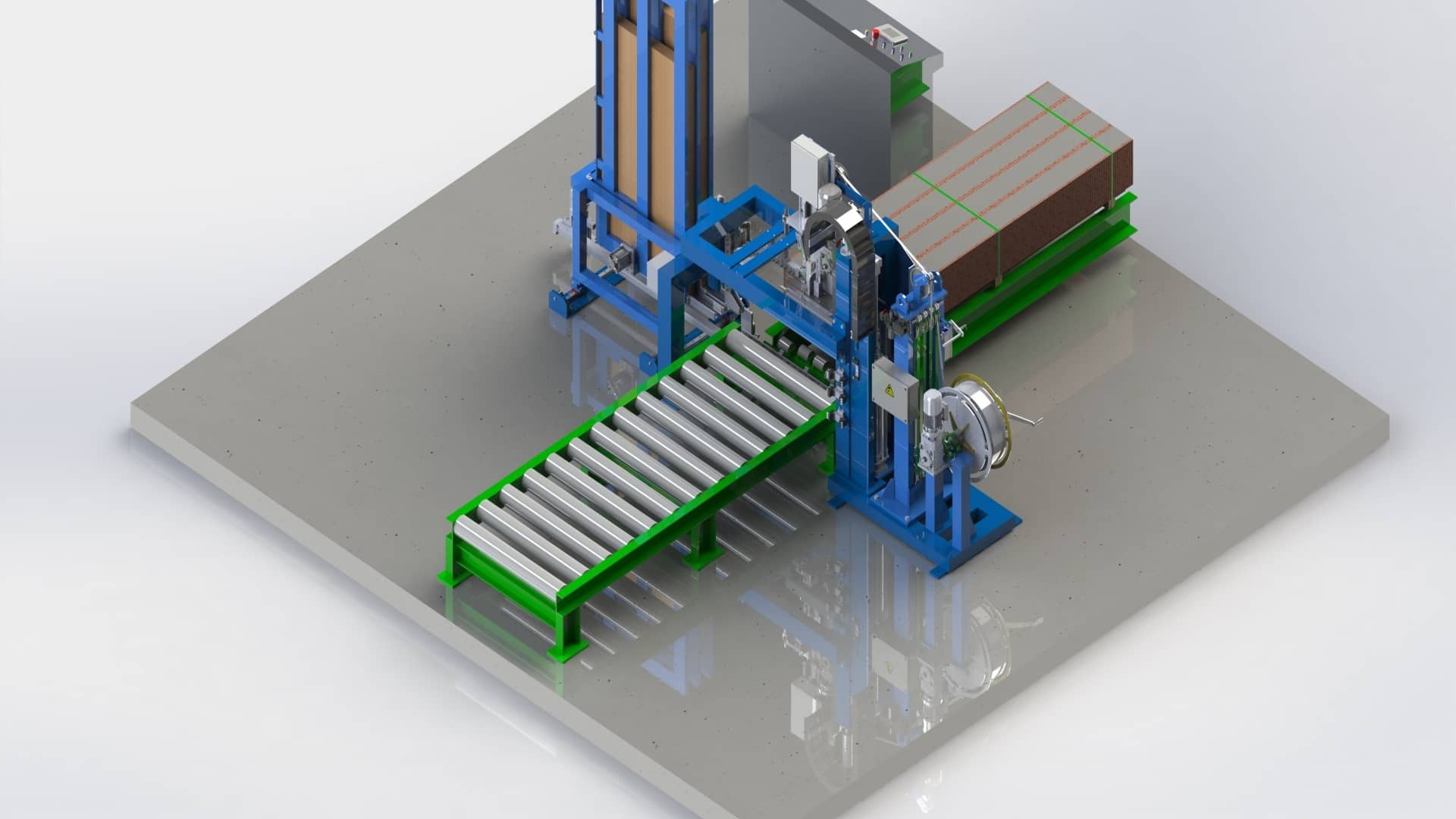
Our ring introduction system is installed when the product to be strapped needs to be prepared for subsequent removal by crane. It is a common solution in certain strapping applications, particularly for the radial strapping of wire coils and also for the strapping of packages.
In this configuration, the strapping passes through the centre of the ring, and the ring is positioned on top of the product to be strapped. We adapt the system to the rings you already use in your facility, ensuring that the integration fits seamlessly with your current operations. In addition, the system incorporates a ring storage unit with the capacity required by the customer, and the system automatically regulates the pressure on the rings as the rings are being introduced into the system.
Introduction of wooden block
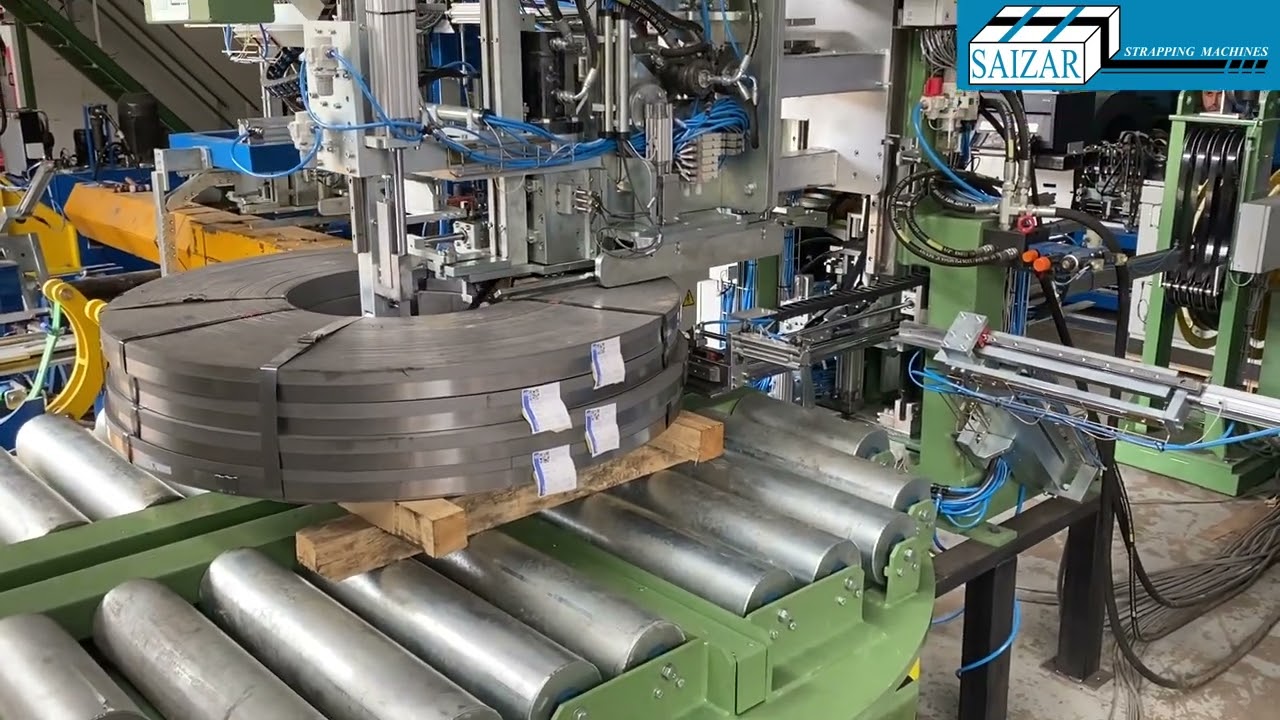
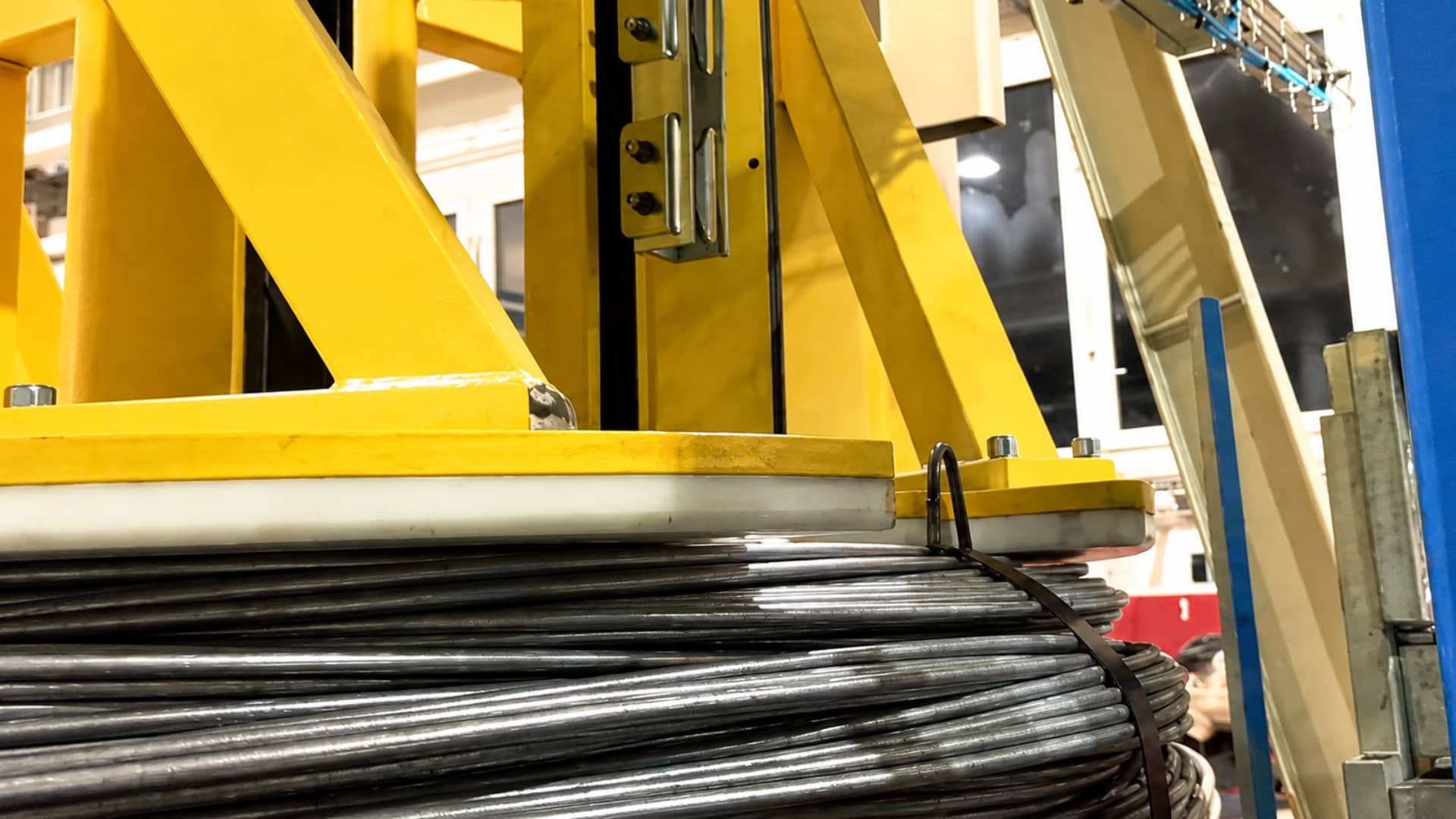
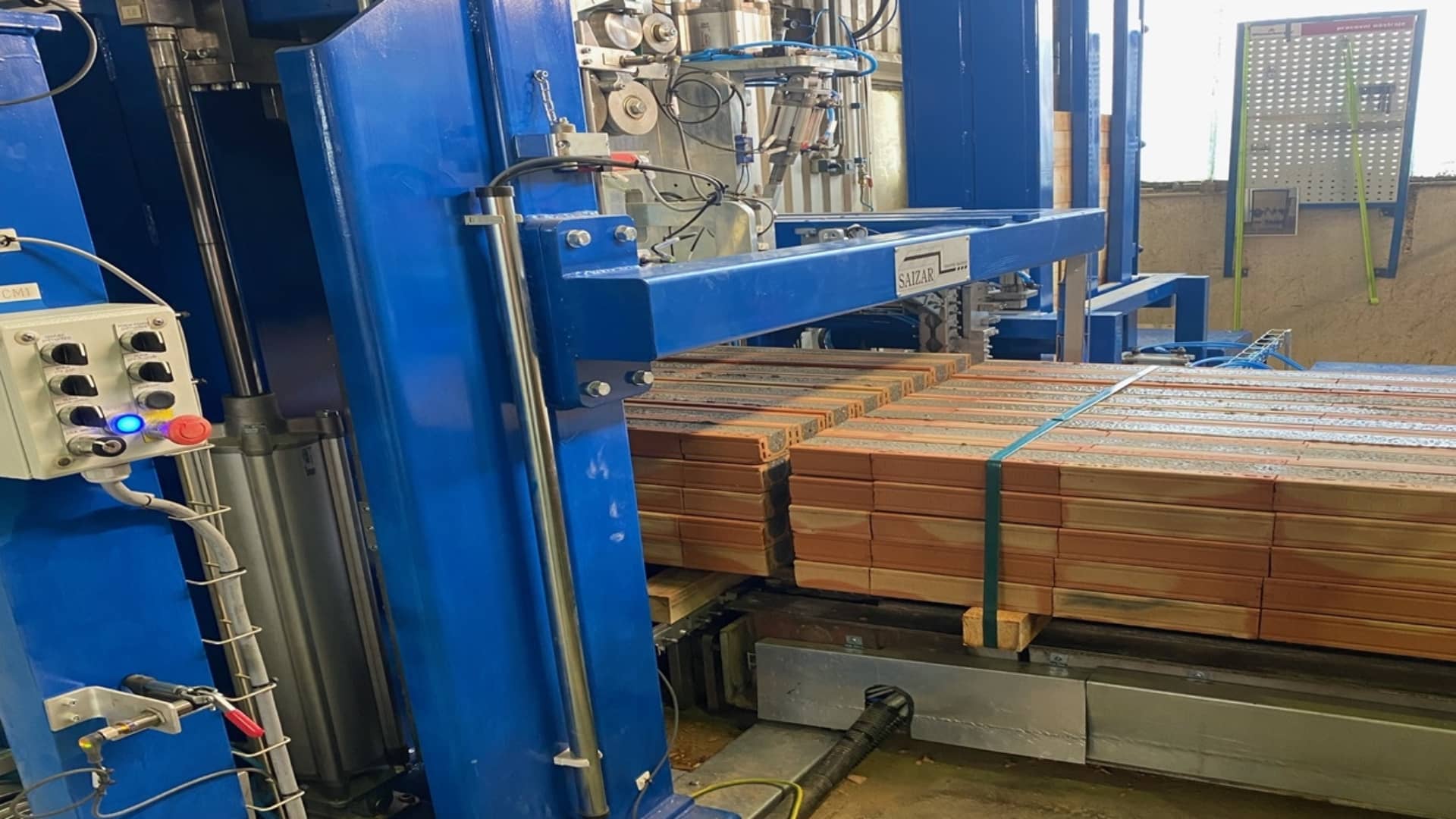
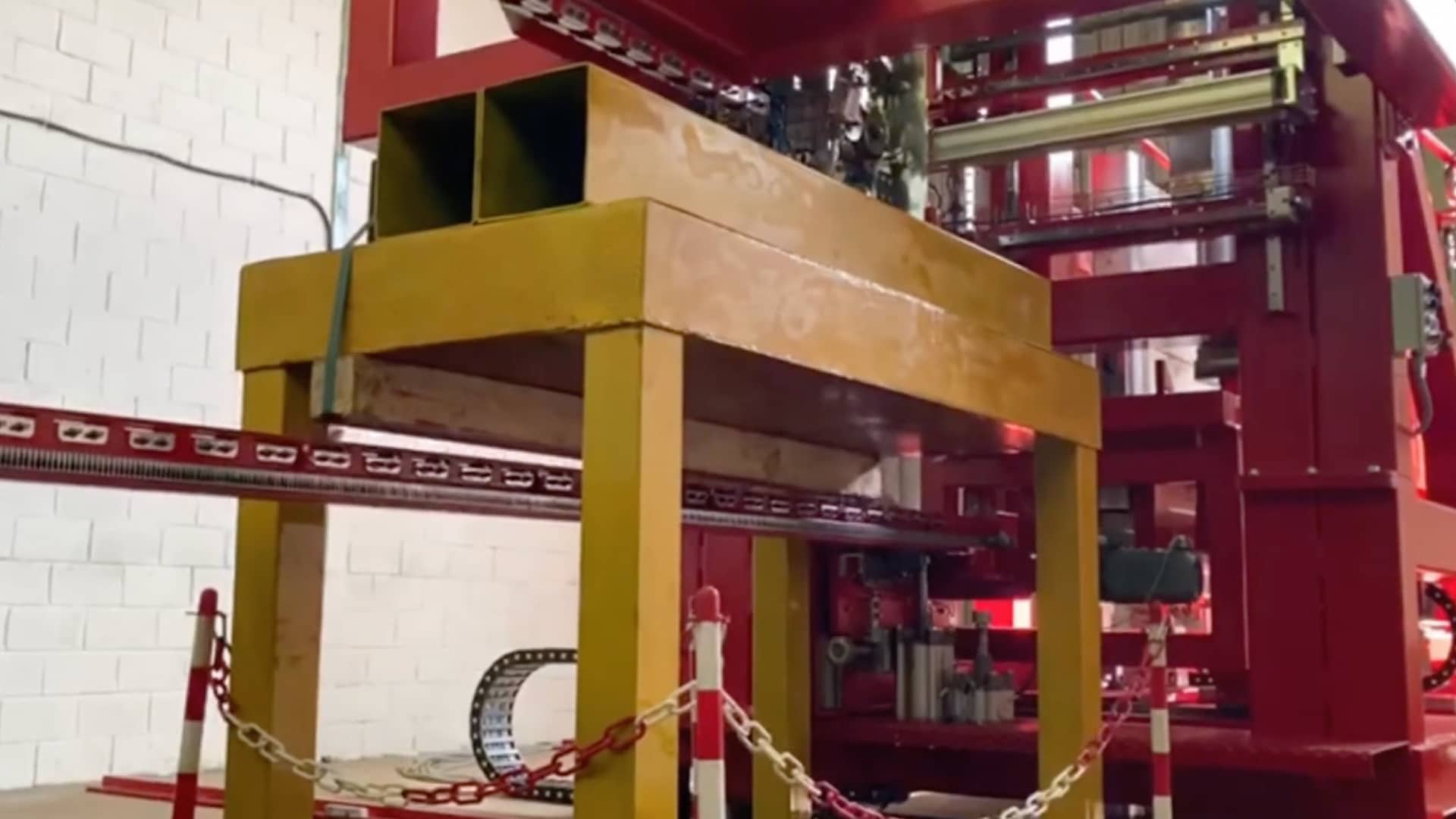
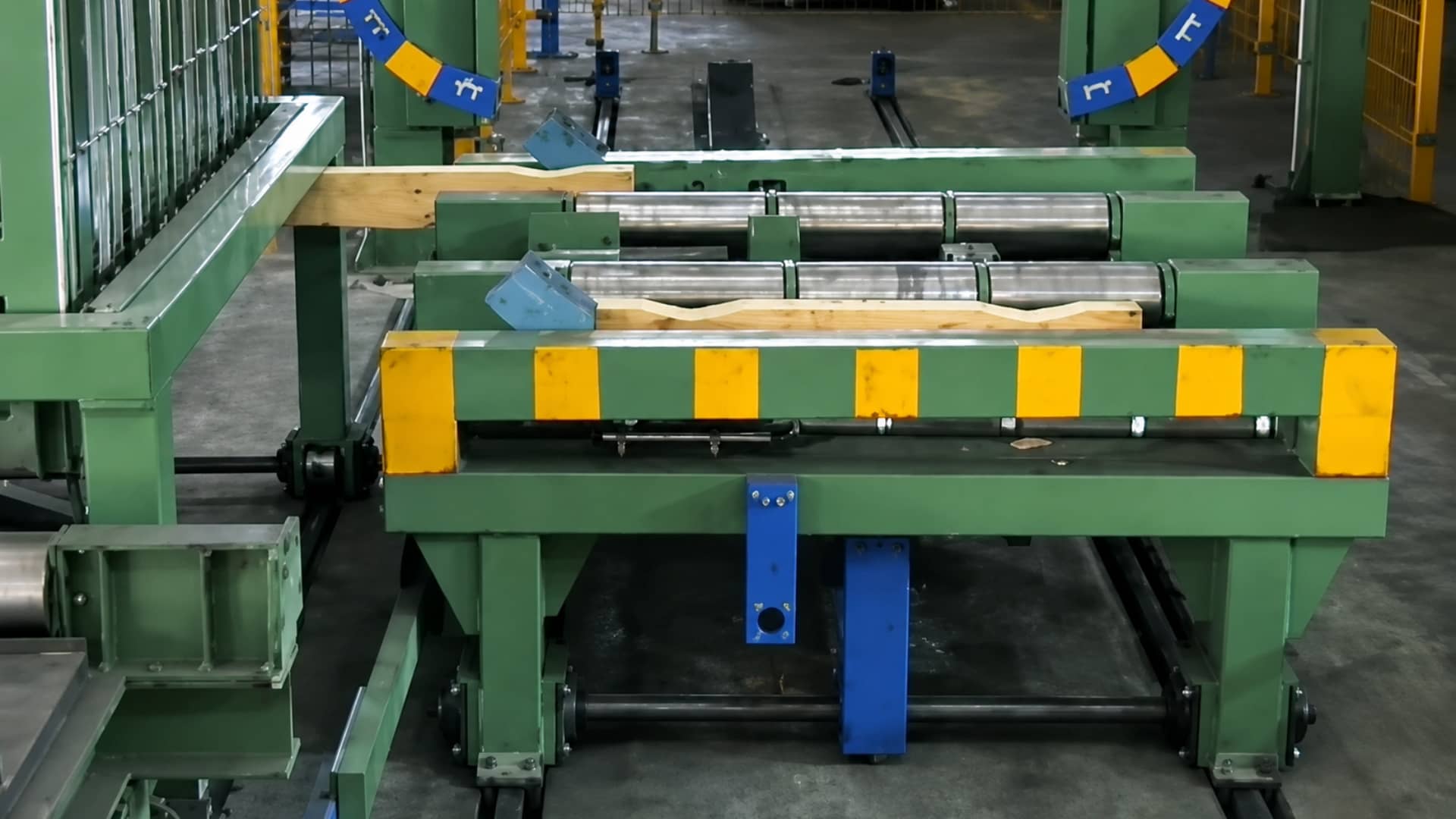
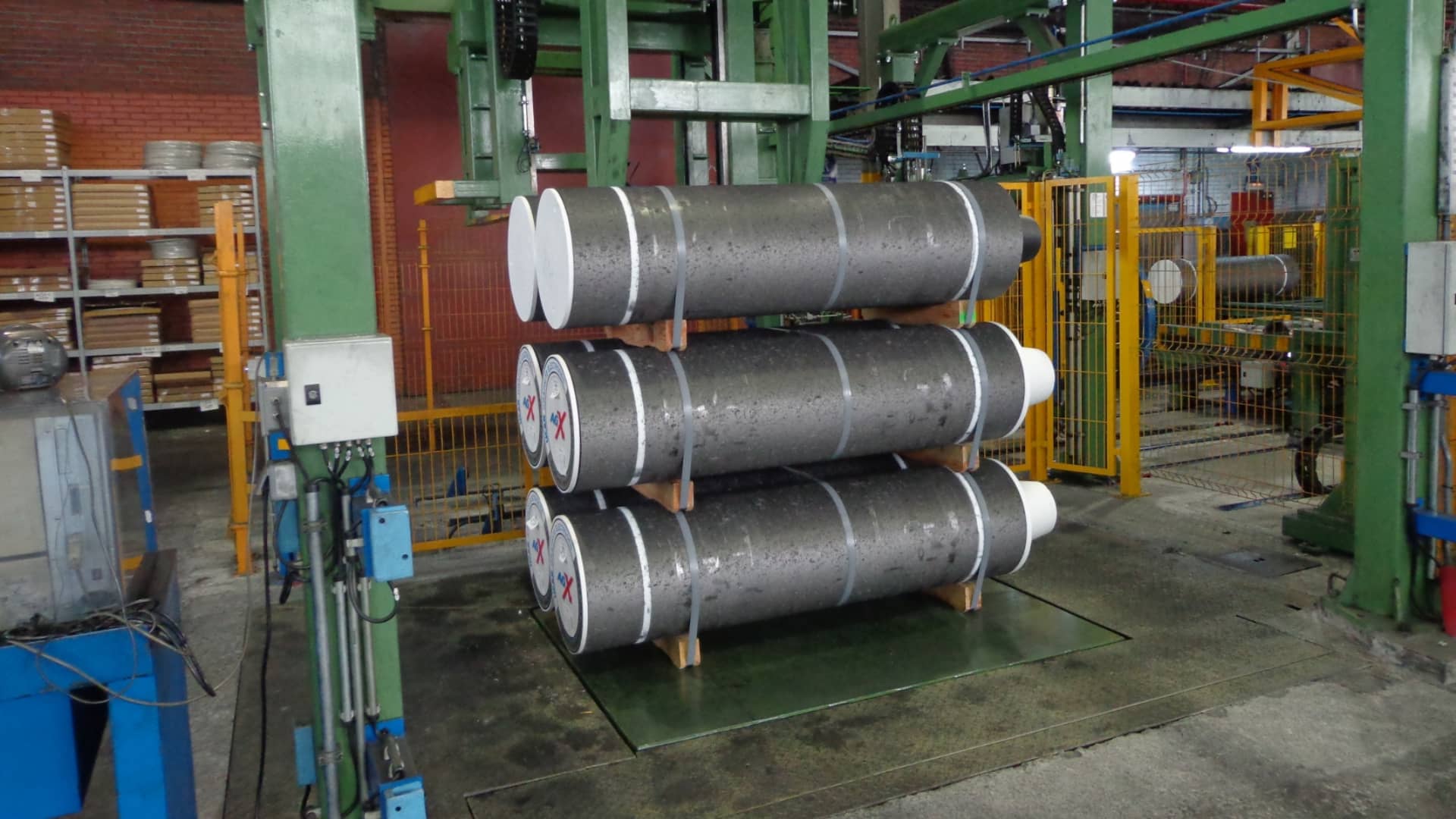
Our wooden block introduction system allows wooden blocks to be positioned in the strapping position automatically and in sync with the strapping machine, before running the strapping cycle. These blocks are used when you need to protect the material and ensure the correct storage of the package or the strapped product.Â
In most applications, the blocks are placed at the bottom of the material, although we can also design solutions to position them on the vertical sides of the package or even at the top, depending on the product and the handling process. The dimensions of the blocks can vary in width, height and length, and in many cases they feature slots at the bottom to allow the strap to pass through it.
To feed the system, we use a loading storage unit according to the required quantity, as well as depending on the dimensions of the wooden blocks, with a capacity of up to 100 wooden blocks. The introduction of blocks in the desired position using different systems depending on requirements, and the wooden blocks can be loaded into the storage unit either at the machine or away from it, with the option of additional storage units to facilitate restocking without stopping production.
This type of automatic applications can be installed with any type and size of strap, as well as with spools of specific lengths, widths and heights depending on the project, which shows the level of customisation we can offer with this type of equipment.
On site benefits
Integrating these systems into the strapping machine and the packaging line allows you to operate a cleaner and more controlled process, without relying on additional manual operations between product preparation and strapping. As they are synchronised with the automatic strapping machine, consumables are positioned correctly and at the right time.
Typical benefits of this solution:
More protection of the product:
by inserting cardboard or protective padding between the strap and the product itself.
Better preparation for handling and dispatch:
particularly when lifting rings are required for crane handling.
Better support and storage of the package:
thanks to the automatic introduction of wooden blocks.
True in line integration:
with complementary equipment that can be installed within the automatic strapping and packaging solution.
Adaptation to your product and your logistics standards:
as these systems are designed according to dimensions, consumable format and strapping position.
Request a quote for consumables dispensing systems
What we need to prepare a proposal for you
To design the system correctly, we usually need to know the product to be strapped, its weight, the minimum and maximum dimensions, the target productivity and the available floor space. During the project development phase, we also determine which consumables can be integrated into the line, whether this involves a system for feeding wooden blocks, rings or protective corners.
It’s also very helpful to have a photo of the installation site and another photo of the product once it’s been strapped and packed, as this speeds up the technical planning and allows us to fine-tune the system design from the outset
Frequently Asked Questions (FAQ)
Do these systems operate as stand-alone units or as part of the strapping machine?
We usually integrate them into the automatic strapping machine or the packaging line, so that they operate automatically and in sync with the strapping cycle.
What is the difference between using cardboard and using corner protectors?
The cardboard wraps around the goods and covers the entire perimeter of the strapping position, whereas corner protectors are placed at the edges of the product and can be positioned at the strapping points or run the entire length of the product.
Are the rings only for coils?
Not exclusively, they are commonly used with wire coils, but they can also be included into the strapping of packages when you need to lift them later using a crane.
Can you adapt the system to our current consumables?
Yes., we adapt the system to the dimensions, type and quality of the cardboard or corner protectors, to the rings you already use in your facility, and to the required dimensions of the wooden blocks.
Do wooden blocks always go underneath the package?
Not always, they are usually placed at the bottom, but we can also design solutions for the vertical sides or the top of the package, depending on the application
What is the storage capacity of these systems?
The storage units for consumables can be tailored to each customer’s needs, with different sizes available depending on the type of product to be strapped.
Can the system be reloaded without completely halting production?
We can set up additional storage areas so that one is located on the machine and others are off-machine for loading, making restocking easier. It is also possible to load consumables directly at the machine.
What types of production lines can this equipment be integrated into?
It forms part of the ancillary equipment for strapping and packaging and can be supplied as part of an automatic strapping/packaging line, together with any other additional equipment that may be required.
What information do you need to prepare a quote?
Product, weight, dimensions, throughput, available space, and which specific consumables you wish to use during the strapping process.
Can you integrate more than one of these systems into the same production line?

Yes, this equipment forms part of the range of components we can offer in an automated production line and is selected according to the specific requirements of the project.