
Complementary elements
Conveyors
At SAIZAR, we integrate conveyors into our strapping and packaging lines to move products between stations in a stable, safe, and coordinated manner with the rest of the process. Their function is to transport materials from one location to another within the facility, ensuring that each operation is performed at the right place and at the right time.
Among the components that complement the strapping process, the conveyor system plays a key role because it connects the infeed areas, strapping stations, intermediate stations, and line exits. This type of equipment is part of an automatic strapping and packaging line.
How we design conveyors
We design each conveyor based on the product, weight, dimensions, productivity and available floor layout. We do not view conveying as an isolated element, but rather as part of the overall logic of the production line, so that material flow integrates seamlessly with strapping, turning, weighing, labelling stations, and other equipment included in the project.
Stable transport to the strapping position
The conveyor must transport the product to the strapping position in a stable and repeatable manner. Depending on the specifications and customer requirements, conveyors can be designed with different stations, where the product can stop at each station to perform certain actions or wait before the introduction of it on the strapping position.

Synchronization with the rest of the line
When the conveyor system is properly configured, the line operates more smoothly. In SAIZAR’s solutions, the conveyors are coordinated with the infeed and outfeed stations to move the material correctly through the process. This synchronization is also reflected in other related equipment, such as the rotating strapping tables, which work in coordination with the infeed and outfeed conveyors.
Adaptation to the Product and Process
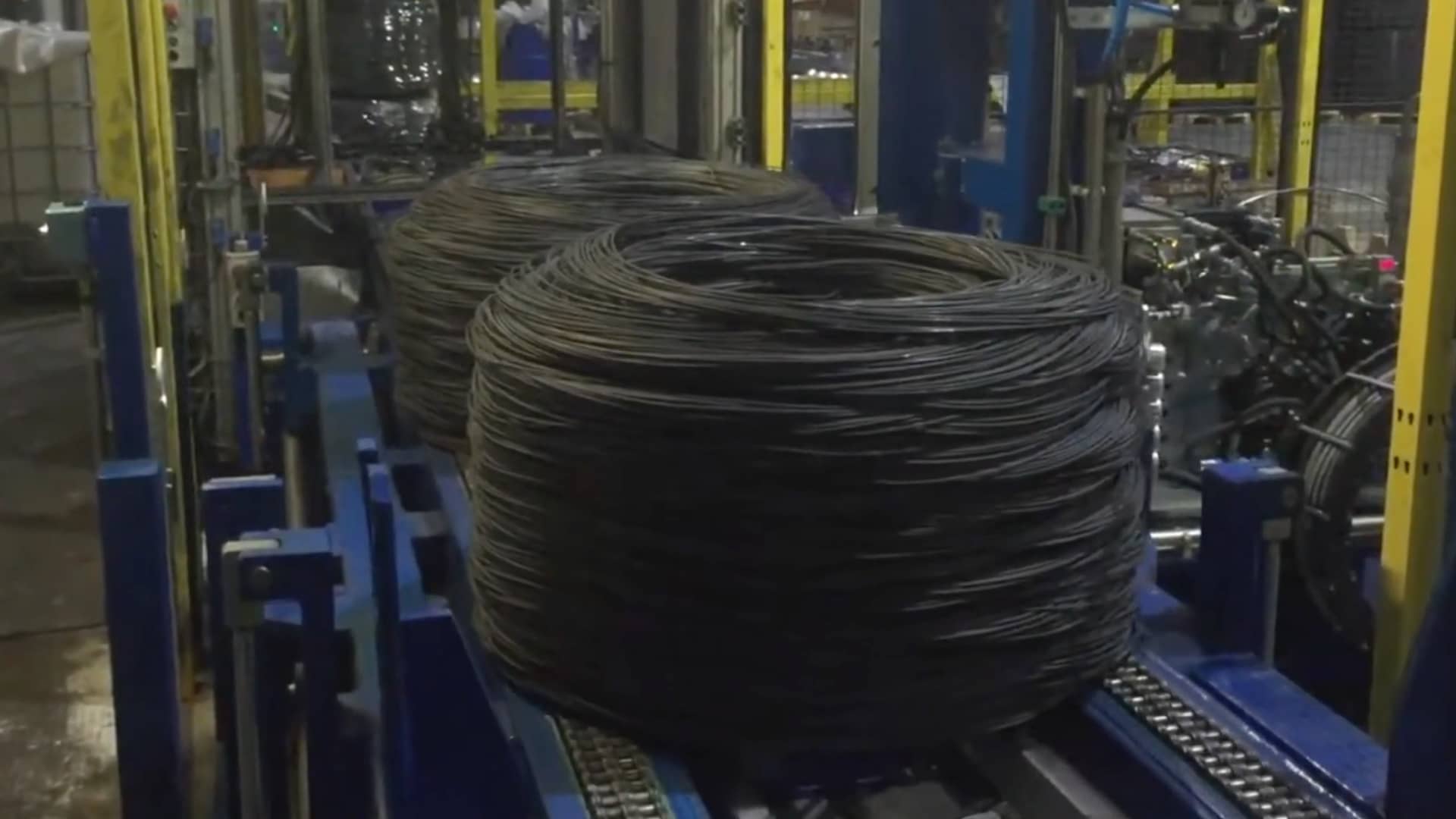
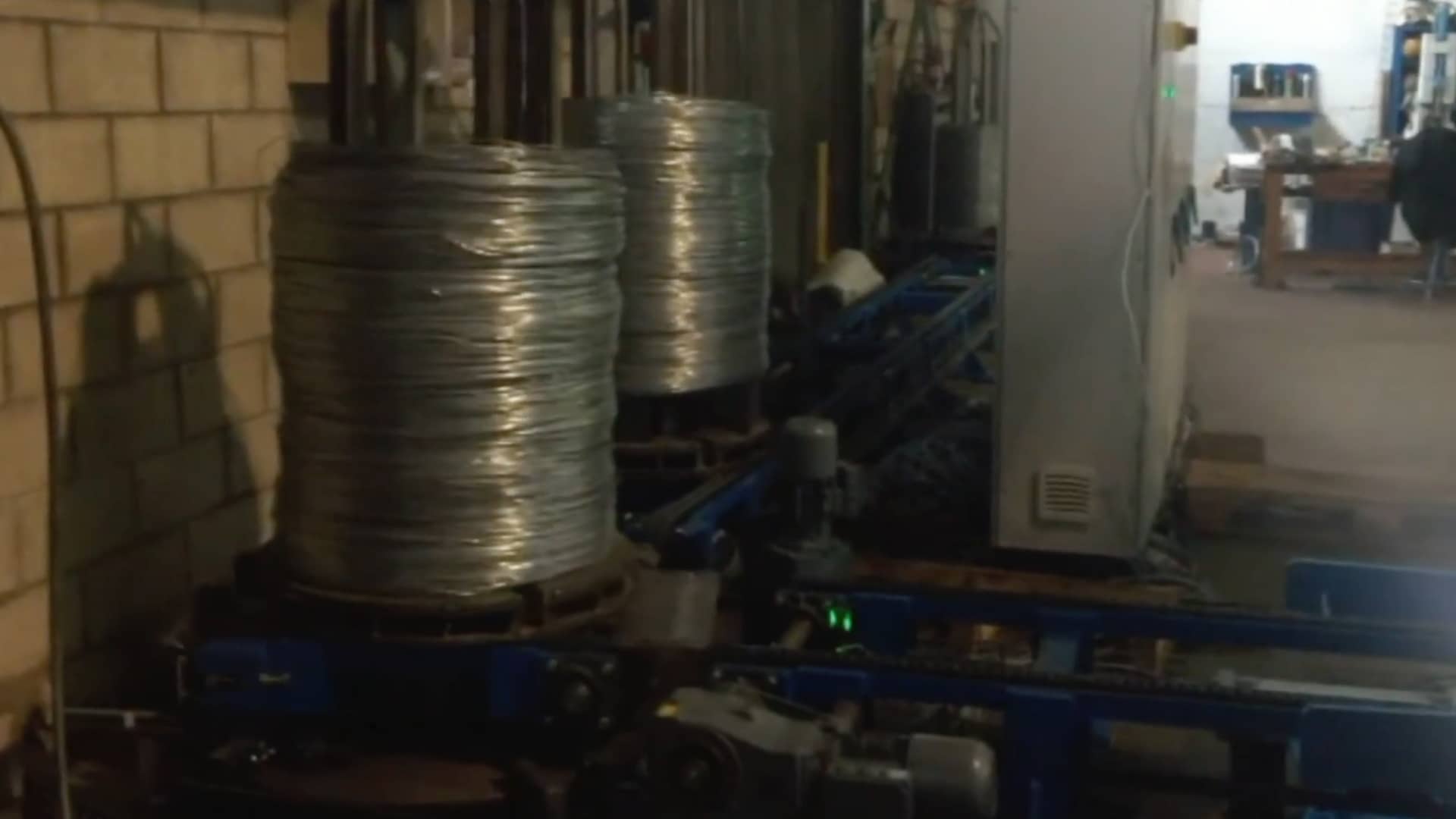
The conveyor is tailored to the type of material and the way it moves through the plant. The conveying system can be configured using belts, rollers, or chains, depending on the product and application.
Common features of our conveyor systems:
- Integration into the strapping and packaging line as complementary equipment.
- Design tailored to the product, dimensions, weight, and productivity.
- Coordination with other infeed, strapping, and outfeed stations.
- Configuration based on the actual flow of the facility.
Types of conveyors
SAIZAR offers a variety of conveyors, including chain, roller, and belt conveyors. Their purpose is to transport the product from one location to another within the strapping and packaging line, adapting to the specific needs of each project.
We can configure these conveyors with different types of chains, rollers, or belts depending on the application. The material used for product transport can be metal, vulcanized, or another type of material, and may include intermediate stations for production processes along the route.
When the production line requires it, the conveyor integrates with other stations to ensure that the product reaches the next process in the correct position. This approach is consistent, with the conveyor serving as one of the options for moving and discharging material.
Key features of the conveyor:
- Its function is to transport the product from one location to another within the line.
- It can be configured with different types of chains, rollers, or belts depending on the project.
- It allows for the incorporation of intermediate stations along the route.
- It is part of SAIZAR’s complementary strapping and packaging equipment.
SAIZAR conveyors for strapping and packaging



Benefits on site
A well-designed conveyor system helps you keep the line more organized and stable. By moving the product in a manner consistent with the other stations, you reduce intermediate manual operations and improve the continuity of the workflow.
Common benefits of this solution:
- More stable and repeatable product movement within the line.
- Better integration between infeed, strapping, and outfeed stations.
- Adaptation to the product and the actual plant layout.
- Ability to create a flow with intermediate processing stations.
Contact our technical department for a customised solution
What we need to prepare a proposal for you
To properly size the conveying system, we need to know the type of product, its weight, its dimensions, and the target throughput. It is also important to know how the material needs to be moved and how it should be discharged afterward, as this information is part of what SAIZAR requires to prepare a technical proposal.
In addition, we need to understand the available floor space and what other elements you want to integrate into the line.
Standard information required to prepare a quote:
- Product to be conveyed and type of application.
- Minimum and maximum weight and dimensions.
- Target line productivity.
- Material entry, conveying, and removal logic.
Frequently asked questions
What is the function of a conveyor system within a strapping line?
Its function is to move the product from one position to another within the line, connecting workstations and facilitating the flow of the process.
Do you only work with chain conveyors?
No, we can work with different types of materials for product transport, whether using chains, rollers, or belts.
Is the conveyor adaptable to the product?
Yes, the system is tailored to the needs of each project and can be configured with different types of chains, rollers, and belts depending on the application.
Can there be intermediate stations along the route?
Yes, conveyors can incorporate intermediate stations for production processes.
How does the conveyor coordinate with the rest of the line?
It integrates with the overall process logic and synchronizes with input and output stations to move the material correctly.
What information do you need to prepare a proposal?
Product, weight, dimensions, productivity, input and output conveyance methods, and available floor space.
Is the conveyor part of a turnkey solution?
Yes, the conveyor is one of the components offered as part of an automatic strapping and packaging line.
Can you integrate it with other equipment on the line?
Yes, it is part of the complementary components and is designed in conjunction with the rest of the equipment in the project.