
Complementary elements
Lifting systems
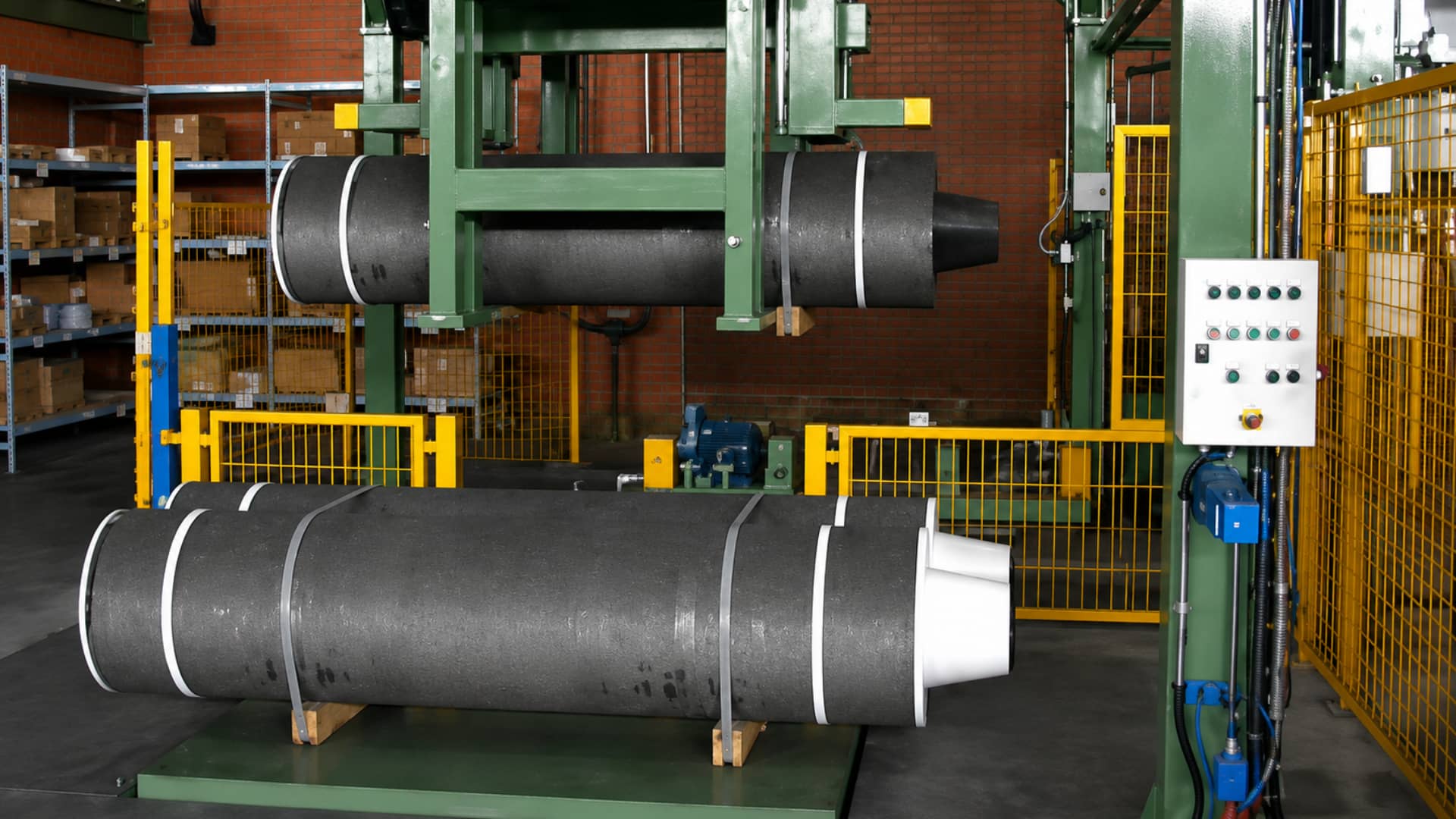
At SAIZAR, we integrate lifting systems into our strapping and packaging lines to handle the load when the process requires lifting the product and positioning it correctly within the facility. This product family is part of our complementary packaging/strapping equipment and is also available as an optional component within a complete automated line.
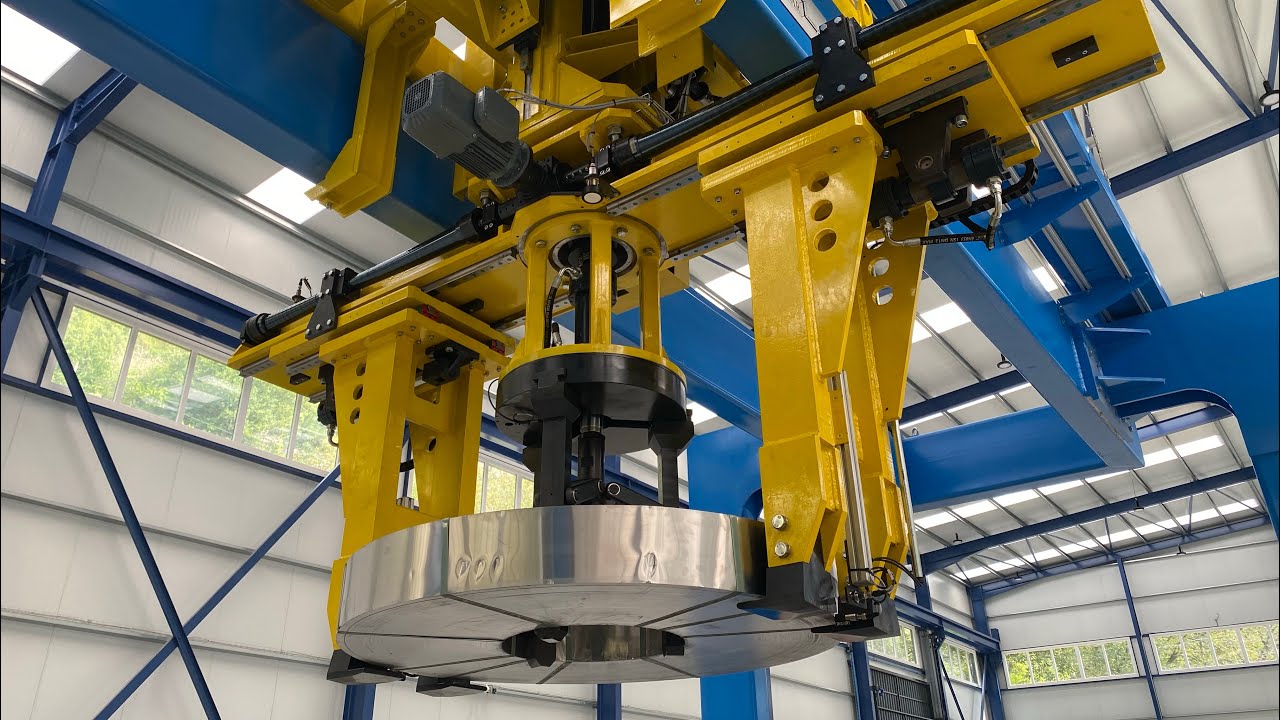
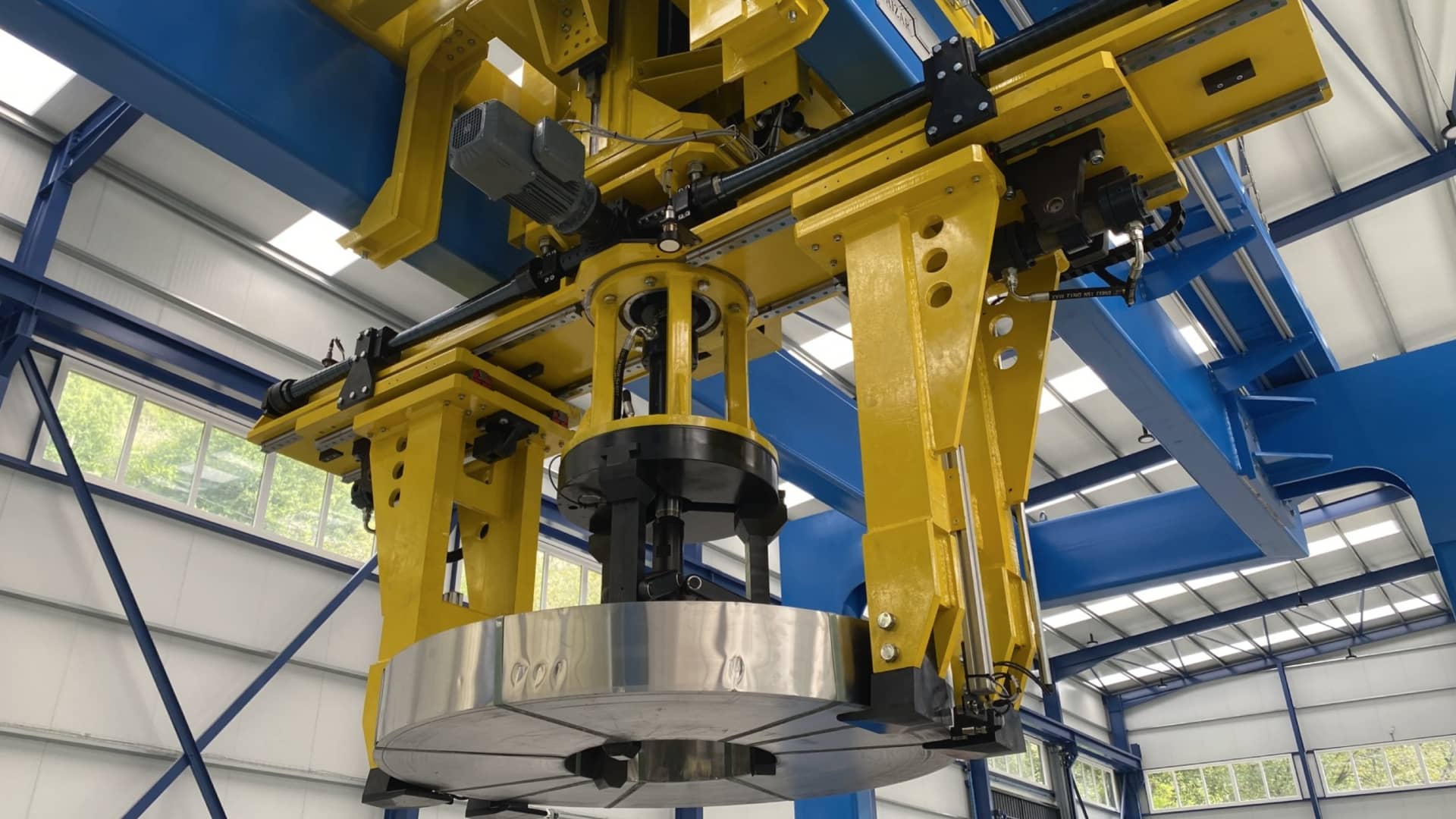
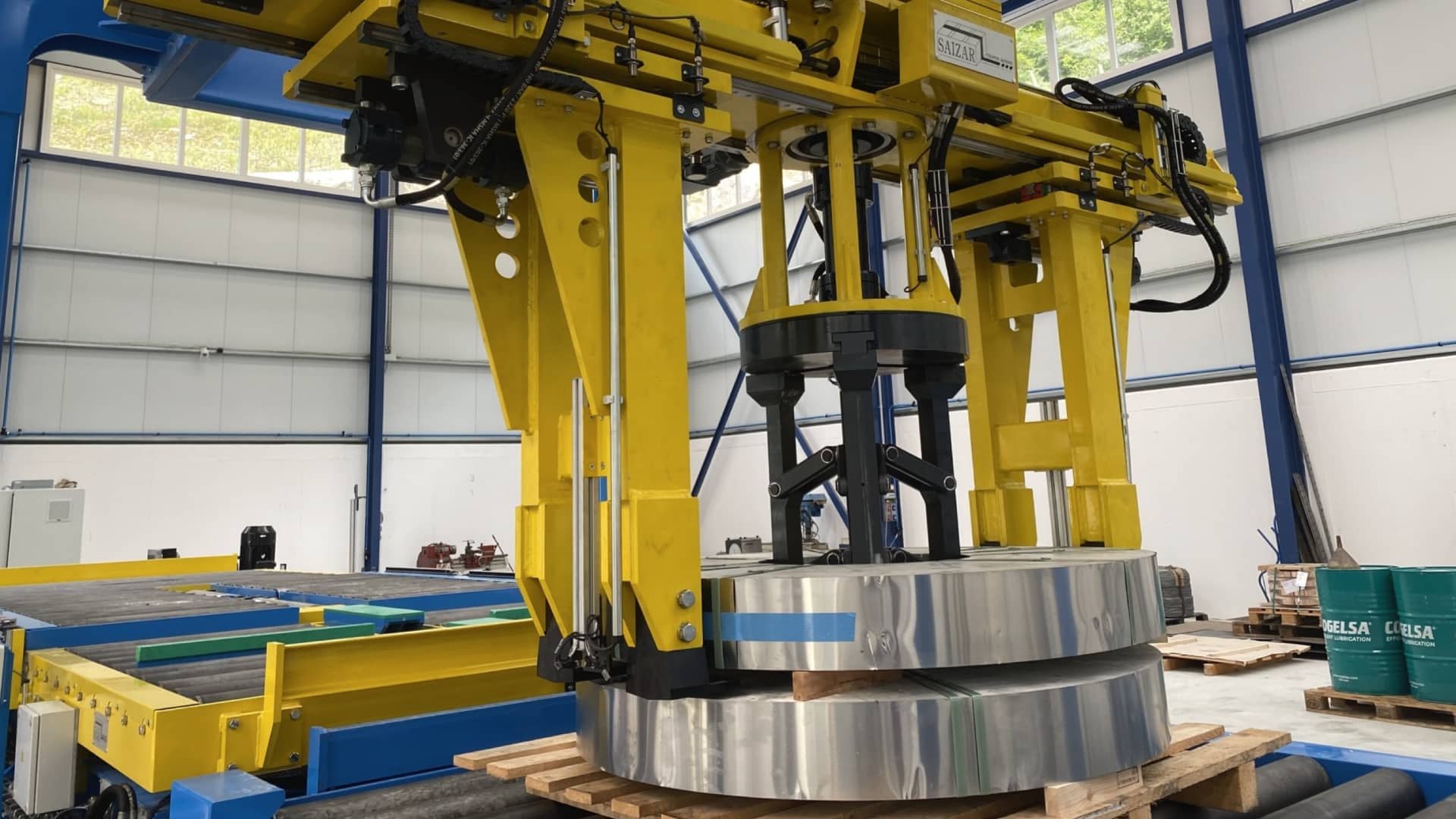
Our lifting systems can lift the load using mechanical arms, magnets, or vacuum systems, depending on the type of product to be handled. In addition to lifting the load, the system can be designed to transport it to another position within the same line when the process requires it.
How we design lifting systems
We design each lifting system to meet specific requirements, taking into account the product, weight, dimensions, and overall layout of the production line. We do not view lifting as a standalone piece of equipment, but rather as an integral part of the process, working in conjunction with conveying, strapping, weighing, labelling, and other auxiliary equipment.
Lifting the load based on the product
The choice of lifting system depends on the material you will be handling. SAIZAR offers three lifting solutions: mechanical arms, magnets, and vacuum systems, specifically designed to adapt the lifting process to the characteristics of each product
Lifting and integration with the rest of the line
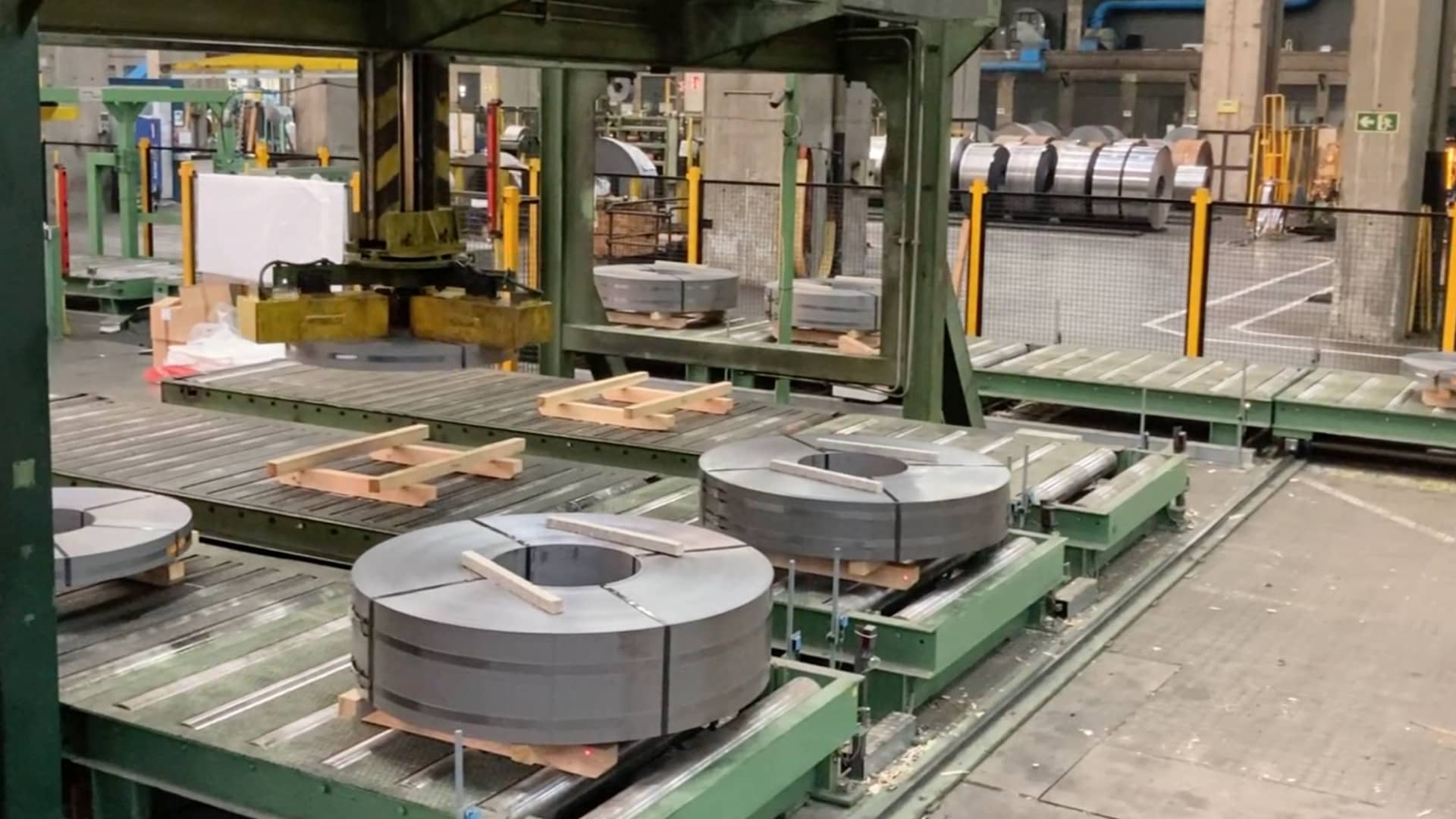
Within an automated production line, the lifting system is considered just another component of the project. SAIZAR can provide this equipment alongside other elements such as conveying systems, compaction systems, forming systems, strapping systems, turning systems, weighing systems, labelling systems, or wrapping systems, all of which support the overall flow of the facility.
Adaptation to the layout and process
To design an appropriate solution, we request certain technical information from the customer, such as: product type, minimum and maximum weight, minimum and maximum dimensions, throughput, and available floor space. Using this information, we determine where the load needs to be lifted, to which position it should be transferred, and how to integrate it with the rest of the process.
Common features of our lifting systems:
- Lifting of the load using mechanical arms, magnets, or vacuum.
- Ability to lift and move the load to another position.
- Integration into the automatic strapping/packaging line.
- Design tailored to the product, weight, dimensions, and available space.
Common applications
The lifting system is particularly well-suited for production lines where products need to be stacked or repositioned, or where handling requires a specific product-gripping system. SAIZAR positions this equipment as a complementary component in automated production line projects, alongside other handling and processing equipment.
SAIZAR lifting systems
Benefits on site
Integrating lifting into the line helps you maintain a cleaner and more consistent flow between stations. By handling the lifting process and load transfer within the process itself, you reduce reliance on external maneuvers and ensure that each phase works with the product in the correct position. This conclusion is supported by the way SAIZAR offers the lifting system as part of the complete automated line project.
Common benefits of this solution:
- Handling better suited to the product thanks to various load-lifting systems.
- Ability to lift and transfer materials within the workflow
- Better integration with other stations on the automated line.
- Solution tailored to the layout, productivity, and actual plant conditions.
Contact our technical department for a customised solution
What we need to prepare a proposal for you
To properly design the lifting system, we need to know the product to be handled, its weight, its minimum and maximum dimensions, and the target productivity. It is also important to know how the product arrives at the work area, what position it must reach after being lifted, and what other equipment you want to integrate into the line
SAIZAR also requests details on the available floor space, and we recommend providing a photo of the installation area and another of the product, as this information helps us better tailor the design of the solution.
Standard information needed to prepare a quote:
- Product, weight, and minimum/maximum dimensions.
- Expected throughput and available space.
- How the product should enter and exit the line
- Equipment you wish to integrate with the lifting system.
Frequently Asked Questions (FAQ)
What load-securing systems can you use for lifting?
We can suspend the load using mechanical arms, magnets, or vacuum systems, depending on the product being handled.
Does the system only lift the load, or can it also move it?
In addition to lifting it, the system can be designed to transport the load to another position or station along the line.
Is the lifting system integrated into the line or does it operate separately?
It is designed as part of the automatic strapping/packaging line and is listed as a configurable component, along with other elements of the project.
What information do you need to size it correctly?
Product, weight, dimensions, throughput, available space, and the flow path the load must follow within the line.
Can it be combined with conveying, strapping, weighing, or labelling?
Yes, SAIZAR can integrate this equipment with conveyors, compacting systems, forming systems, automatic strapping, turning systems, weighing, labelling, and shrink-wrapping.
How do you choose between grippers, magnets, or vacuum?
The choice depends on the product to be handled and how the load is to be stored, as SAIZAR offers these three systems specifically based on the characteristics of the load.
Do you need photos of the installation site to prepare a quote?
Yes, SAIZAR requests a photo of the installation area and another of the product to complete the technical information.
Do you offer integrated project management and technical support?
Yes, SAIZAR provides turnkey projects tailored to each client and offers technical support and spare parts.